
Program
Plenary Sessions
Plenaries will be recorded and available on-demand following the in-person conference. Plenary sessions will not be livestreamed.
Plenary 1: Evaluate
Monday, 19 October | 8:30 am – 10:00 am
Sponsored by EORTC

Description:
The 2025 conference will have provided an important platform for AI driven approaches in quality of life and PRO research. In this session, 2026, we aim to explore some of the classical/traditional approaches/ideas to measurement and analysis of PRO data that underpin the field.
Speakers:
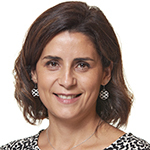 Carla Dias Barbosa, MSc, Evidera, Lyon, France
Accomplished Senior Research Leader with over 25 years of experience in health outcomes research, specializing in clinical outcomes assessment (COA) development and validation and in-trial qualitative research. Expert in designing and implementing regulatory-compliant qualitative research within clinical trials, aligned with ICH-GCP and FDA/EMA patient-focused guidance. Leads Evidera’s in-trial research business, delivering high-quality, regulatory-grade qualitative evidence across diverse therapeutic areas, including rare diseases and pediatrics. Recognized for establishing best practices in study design, execution, and qualitative and mixed-methods analysis, as well as optimizing research processes. Skilled in team leadership and cross-functional collaboration across Evidera and its parent CRO, PPD (part of Thermo Fisher Scientific), with a strong track record of disseminating insights through scientific conferences and peer-reviewed publications.
 Jan Štochl, PhD, University of Cambridge, Cambridge, United Kingdom
Jan Štochl is Professor of Psychometrics at Charles University, Prague, and Assistant Professor at the Department of Psychiatry, University of Cambridge. His work focuses on latent variable modelling, network approaches, and computerized adaptive testing. Over the past decade, he has applied advanced psychometric methods in mental health and neurology to improve assessment tools. He has authored over 100 peer-reviewed publications and four books. His research integrates methodological innovation with clinical application, contributing to the development of more precise and efficient outcome measurement in health research.
 Pat Johnson, MS, Mayo Clinic, Minneapolis, Minnesota, United States
Patrick (Pat) Johnson is a Principal Data Science Analyst and Data Science Supervisor in the Digital Innovation Lab, Department of Quantitative Health Sciences, at Mayo Clinic. He holds an MS in computer science with a focus on artificial intelligence and data science and develops and deploys machine learning solutions for clinical research. His work spans cardiovascular, pulmonary, and critical care medicine, including building software and infrastructure to support reproducible research. He focuses on translating advanced analytics into scalable tools that improve healthcare delivery and patient outcomes.
Moderator:
Kim Cocks, PhD, Adelphi Values, Cheshire, United Kingdom
Plenary 2: Cutting Edge Research Plenary
Monday, 19 October | 10:50 am – 12:00 pm
Sponsored by Mapi Research Trust

Description:
The Cutting Edge Research plenary session features some of the highest-ranked, innovative research from ISOQOL abstract submissions. In particular, these abstracts reflect research that truly “pushes the ISOQOL envelope” in providing new and different ways to look at quality of life.
Speakers:
 Robbert Wouters, PhD, Depts. of Rehabilitation Medicine and Plastic, Reconstructive and Hand Surgery, Erasmus MC University Medical Center Rotterdam, The Netherlands
Ethical considerations of clinicians in hand and wrist care for using prediction models: a qualitative study
Robbert Wouters is an Assistant Professor at Erasmus MC, Rotterdam, the Netherlands. He has a clinical background, and his research focuses on using routine outcome data to support personalized, data-driven, and value-based healthcare and clinical decision-making. A central theme in his work is moving beyond average treatment effects toward outcomes that are meaningful to individual patients, including the development and application of the Personal Meaningful Gain. He combines patient-reported outcome measures, large real-world datasets, prediction modeling, and causal inference methods to develop tools that support individualized and data-informed treatment decisions. He has led multiple externally funded research projects on outcome-based healthcare, cost-effectiveness, and personalized prediction, including a Veni grant from the Dutch Research Council’s Talent Scheme. He closely collaborates with clinical networks to translate methodological advances into routine care across rehabilitation, surgery, and other healthcare settings.
 Karolin Krause, PhD, Centre for Research in Epidemiology and Statistics (CRESS), Université Paris Cité / INSERM, Paris, France
Developing a Living Evidence Synthesis Platform to Facilitate the Evidence-Based Use of PROMs in Mental Health Research
Karolin Krause is a mental health measurement scientist at the Centre for Research in Epidemiology and Statistics (CRESS), Université Paris Cité. She works on outcome selection and measurement in clinical research and measurement-based care, focusing on patient priorities, psychometric appraisal, and context-sensitive harmonization across studies and care settings. She has contributed to the development of several core outcome sets for adolescent anxiety and depression and uses mixed methods, evidence synthesis and participatory approaches involving people with lived experience. She is co-principal investigator of COLIVE-MH, a Wellcome-funded international project developing an open-access evidence-synthesis platform for patient-reported outcome measures in mental health.
 Manraj Kaur, PhD, Brigham and Women’s Hospital, Boston, Massachusetts, United States
Natural Language Processing of 46,000 Clinical Notes Identifies Health-Related Quality of Life Domains and Predicts Treatment Pathways in Pediatric Obesity Care
Dr. Manraj Kaur (she/her) is an Investigator within the Department of Surgery at Mass General Brigham and Instructor at Harvard Medical School, with expertise in the development and implementation of patient-reported outcome measures for clinical care, research and quality improvement efforts.
 Angela Wolff, PhD RN, School of Nursing, Trinity Western University, Langley, British Columbia, Canada
From Measures to Meaning: An Upstream Approach to Embedding PROMs as Relational Tools in Undergraduate Nursing Curricula
Dr. Angela Wolff, PhD, RN is a Professor at the Trinity Western University School of Nursing (British Columbia, Canada) and a Certified Health Executive with the Canadian College of Health Leaders. She teaches leadership and research-based graduate courses and examines how healthcare providers successfully integrate person-centered assessment tools into practice. Angela has received numerous grants to support this work, including a systematic review of barriers and facilitators for PROMs adoption and knowledge translation for the routine use of quality-of-life assessments in community mental health. Her most recent innovation grant focuses on incorporating equitable, people-centered assessments (in the form of PROMs) into undergraduate nursing education. Her involvement in the International Society for Quality of Life includes Co-Chair of the Clinical Practice Special Interest Group and leading educational events on preparing clinicians to adopt PROMs. Angela is passionate about advancing the professional practice of nurses to provide person-centered, equitable healthcare to patients, families, and communities.
Moderator:
Galina Velikova, MD PhD FRCP, University of Leeds, Leeds, United Kingdom
Plenary 3: Educate
Tuesday, 20 October | 8:00 am – 9:30 am
Description:
Where do we go next to strengthen the focus and reach of education in patient reported outcomes in clinical practice and beyond? Covering a range of clinical contexts along with the patient/carer perspectives, this session will be designed to showcase examples of successful strategies and approaches to multi-stakeholder PRO education. Speakers may highlight novel methods to develop and deliver education and also consider how we might approach educating wider stakeholder groups (e.g. hospital/health care facility managers).
Speakers:
 Lotte Haverman, PhD, Amsterdam University Medical Centers, Amsterdam, Netherlands
Lotte Haverman, PhD, is Full-Professor at Amsterdam UMC and Director of the PROM Expertise Center. Her research focuses on the implementation of patient-reported outcome measures (PROMs) in routine clinical care, with a particular emphasis on identifying and addressing barriers to sustainable use. She studies challenges related to education of stakeholders and users, integration in EHRs, clinical workflows, health literacy, and accessibility for vulnerable populations. Haverman develops and evaluates practical solutions, including adaptive PROMIS instruments, user-centered designs, and implementation strategies. Her work aims to enable meaningful use of PROMs to improve communication, patient-centered care and research involving PROMs.
 Fleur Chandler, MSc, Consultancy/Duchenne UK, London, United Kingdom
Fleur has over thirty years’ experience in pharma, in market access and health economics, and is now working independently. Fleur set up and chairs the HERCULES project, generating disease level evidence for DMD in HTA. Fleur has also worked with patient organizations to improve the diagnosis, treatment and support to patients with DMD. Fleur has presented to other agencies including ICER on DMD and is a member of the ISPOR Task force on pediatric utility. Fleur has contributed to multiple publications on quality of life, economic modelling, burden of illness and carer QOL in DMD, pediatrics and other rare diseases.
 Tolulope Sajobi, PhD, University of Calgary, Calgary, Alberta, Canada
Dr. Tolu Sajobi is a Professor and Head of the Department of Community Health Sciences at the Cumming School of Medicine, University of Calgary. His research focuses on methodologies for measuring and analyzing patient reported outcomes, clinical trial design, and predictive analytics methods for adding clinical decision making. A biostatistician with deep expertise in PROMs, Dr. Sajobi has collaborated across a wide range of clinical specialties, including neurology, orthopedics, psychiatry, cardiology, and public health. Since attending his first ISOQOL annual meeting as a student member in 2012, Dr. Sajobi has contributed extensively to the organization through service in various capacities.
Moderator:
Maria Santana, PhD, University of Calgary, Calgary, Alberta, Canada
Plenary 4: Regulate
Wednesday, 21 October | 1:00 pm – 2:30 pm
Sponsored by Seeing Theta

Description:
With increasing emphasis on the value and importance of the patient’s voice in drug development, this session will present an overview of the most current guidance from international regulators and decision-makers. This will include historical development of methods and applications such as FDA PRO guidance’s (2005, 2009) to the development and publication of the Patient Focused Drug Development Methodological Series and include wider international guidance’s and perspectives from European and Asian regulators.
Speakers:
 Ingunn Westerheim, MA, Osteogenesis Imperfecta Federation Europe (OIFE), Oslo, Norway
Ingunn Westerheim (51) has a Master in law from University of Oslo, Norway. She worked 15 years as a legal advisor in the Norwegian Welfare Directorate and 5 years as political advisor in The Norwegian Federation of Disabled People (FFO). She chaired the Norwegian Osteogenesis Imperfecta Association (NFOI) from 2001 to 2016. And since September 2015, she has been President of Osteogenesis Imperfecta Federation Europe (OIFE). Ingunn is also a member of the National coordinating group for the Norwegian network for precision medicine (NorPrem), The Norwegian forum for Norway’s participation in ERNs and a patient representative in JARDIN Norway.
 Lynda Doward, MRes, RTI Health Solutions, Manchester, United Kingdom
Lynda Doward, MRes, is a Vice President and European Head of Patient Centered Outcomes Assessment at RTI-Health Solutions. She has over 35 years’ experience in patient centred outcomes research, providing strategic advice to pharmaceutical companies on integrating the patient voice into drug development programs. Ms. Doward has a particular interest in the value of patient-experience data (PED) to support decision-making beyond the regulatory hurdle and advises sponsors on maximizing PED for European Joint Clinical Assessment. Ms. Doward is an active contributor to ISOQOL and ISPOR, has published widely in peer-reviewed journals, and has presented her research at numerous international symposia.
 Robyn Bent, RN MS, CDER Patient Focused Drug Development, Washington, D.C., United States
Robyn Bent, MS, RN, is the director of the Patient-Focused Drug Development (PFDD) Program in the Center for Drug Evaluation and Research (CDER) at the U.S. Food and Drug Administration (FDA). The PFDD program is an effort to systematically obtain patient input and facilitate the incorporation of meaningful patient input into drug development and regulatory decision making. Ms. Bent also serves as an FDA representative to the Management Committee of the International Council for Harmonisation.
Prior to joining the FDA, Ms. Bent held several positions at the National Institutes of Health. She has a background in pediatric oncology nursing, extensive experience in clinical trial design and oversight, and continues to practice as a registered nurse. Ms. Bent earned her Bachelor of Science in Nursing from The Catholic University of America and her Master of Science degree from the George Washington University.
Moderator:
Kevin Weinfurt, PhD, Duke University School of Medicine, Durham, North Carolina, United States
Roundtables
Monday, 19 October | 5:40 pm – 6:20 pm
Roundtables are informal meetings with limited attendance focused on networking and discussing a specific topic. A ticket is required for each roundtable, which can be purchased during the registration process. Visit the Registration page to view ticket rates.
Roundtable 1: Personalized Clinical Trial Endpoints in Practice: What’s Working, What Isn’t, and What’s Next
Description:
Personalized endpoints are gaining momentum in clinical trials, yet important questions remain around implementation, interpretation, and regulatory acceptance. This interactive roundtable will explore practical challenges and emerging solutions related to approaches such as most bothersome symptom endpoints. Participants are encouraged to share real-world experiences, lessons learned, and unanswered questions to foster a dynamic peer-to-peer discussion on advancing personalized outcome assessment in clinical research.
Host:

Larissa Stassek, MPH
Thermo Fisher Scientific,
Monroe, Washington, United States
Roundtable 2: What Is the Future of the QALY in Patient-Centred Research?
Description:
The QALY remains central to economic evaluation and health technology assessment, yet concerns persist regarding its ability to reflect patient experience, social value, adaptation, and treatment preferences. At the same time, patient-centred approaches and preference elicitation methods continue to evolve rapidly. This roundtable will discuss whether the QALY framework remains fit for purpose, how utility measurement may need to adapt, and what role alternative approaches could play in future value assessment. Participants are encouraged to share perspectives from academia, industry, HTA, and patient engagement.
Host:

Phil Powell, PhD
University of Sheffield,
Sheffield, United Kingdom
Roundtable 3: Finding Every Voice: Inclusive Qualitative Interviews for Participants with Communication Challenges
Description:
This session will explore the methodological challenges involved in conducting qualitative interviews with participants who have communication limitations, including children and individuals with cognitive or neuromotor communication needs. It will highlight practical solutions and adaptable interviewing strategies that researchers can use to navigate these challenges effectively. In addition, the session will examine inclusive research practices that prioritize participants’ abilities, dignity, and engagement, with a focus on fostering meaningful data collection that accurately reflects participants’ experiences and perspectives.
Host:

Anne Skalicky, MPH
Thermo Fisher Scientific,
Shoreline, Washington, United States
Roundtable 4: A new special issue in QLR: Patient experience data in regulatory and health technology assessment
Description:
Regulatory and health technology assessment bodies worldwide acknowledge the value of patient input in product development and evaluation, with patient-reported outcomes and preference information increasingly included. This collective data is known as ‘patient experience data’, though its use remains inconsistent. Understanding different interest-holders approaches is crucial to ensuring patient voices guide healthcare decisions and improve outcomes.
Hosts:
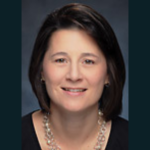
Lori McLeod, PhD
RTI Health Solutions,
Durham, North Carolina, United States
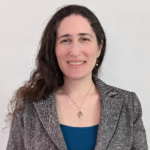
Jessica Roydhouse, PhD
University of Tasmania,
Hobart, Tasmania, Australia
Roundtable 5: Data Science, Statistics and the future of PROs
Description:
This roundtable builds on the Evaluate plenary theme and continues the discussion around the role of established statistical and psychometric methods alongside emerging data science approaches. With the growth of large and complex datasets from wearables, smartphones and sensors, data science tools are increasingly being used to process, summarise, and model patient-centered data. Alongside that, machine learning affords the opportunity to build more complex prediction models and support more personalized and clinically useful interpretation of PRO data. Where do these methods complement existing PRO standard, and where do they challenge them? Join us to learn more and contribute to the discussion!
Hosts:

Kim Cocks, PhD
Adelphi Values,
Cheshire, United Kingdom
Pat Johnson, MS
Mayo Clinic
Minneapolis, Minnesota, United States
Roundtable 6: Meaningful Change in COA scores: Triangulating Quantitative and Qualitative Evidence
Description:
How can quantitative results and patients’ perspectives be brought together to determine what constitutes meaningful change? This interactive roundtable will explore how quantitative and qualitative evidence can be triangulated to support the interpretation of meaningful change in COA scores. Participants will discuss methodological approaches, regulatory and HTA expectations, and practical challenges such as identifying sample sizes, appropriate anchors and conflicting evidence. The session will encourage the sharing of real-world experiences, case examples and emerging good practices.
Hosts:

Devin Peipert, PhD
University of Birmingham,
Birmingham, United Kingdom
Helen Kitchen, MSc
Clarivate,
London, United Kingdom
Roundtable 7: Reliable for Whom? AI and the Standards We Never Asked of Ourselves in Qualitative Research
Description:
When AI enters qualitative COA research, we demand benchmarks, reliability metrics, and gold standard comparisons. We rarely ask the same of human researchers. This roundtable uses AI as a mirror, examining the standards beneath our entire qualitative evidence base and asking whether a contribution should meet the same bar whether a person or a model produced it.
Host:

Jarjieh Fang, MPH
Pfizer,
New York, New York, United States
Symposia
Concurrent symposium sessions showcase the research and science of the ISOQOL community. Symposium sessions have been selected following peer review of submitted abstracts.
Symposium sessions take place on Tuesday morning and Wednesday morning. Access to the symposium sessions is included in registration for the in-person conference.
Tuesday, 20 October | 10:20 am – 11:35 am
Symposium 1: "Your Dad Scored a 30 on a Fatigue Scale-What Should He Do Next?" Making PROM Scores Actionable
Moderator:
Bellinda King-Kallimanis, PhD, LUNGevity Foundation, Bethesda, Maryland, United States
Symposium Synopsis:
Patient-reported outcome measures (PROMs) are foundational to health research, clinical care, and policy, yet a persistent challenge remains: moving from score to interpretation to pragmatic action. PROM scores are frequently shared with patients, clinicians, and researchers, yet clear guidance on interpretation, thresholds, or appropriate action is lacking leads to uncertainty, inconsistent use, and potential misinterpretation.
This 75‑minute interactive symposium explores real‑world PROM score actionability using three scenarios in which total scores are presented to: a) discuss progressive diseases treated with disease modifying therapies, raising challenges in interpreting scores from clinical outcome assessments (COAs) for what constitutes meaningful change or stability when the goal of therapy is not cure but slowing disease progression; b) examine the impact of applying thresholds in clinical decision making, particularly for patients whose scores fall near threshold values, where decisions based on these scores can influence care trajectories and highlight the risks of binary decision making applied to continuous measures and c) explore how integrating PROM scores and thresholds with clinical data can improve clinical decision‑making, recognizing that in long‑term cancer survivorship, patient experiences are often shaped by evolving treatment effects and tumor‑related symptoms that may not be reflected in a single data point. All three scenarios share the common goal of highlighting how PROM scores can be used to meet a variety of stakeholders needs, including your dad! For each scenario, panelists will argue how scores may be used, misused, or appropriately ignored, highlighting key strengths and limitations of current interpretation approaches. The session emphasizes audience engagement through polling, peer discussion, and structured reflection to identify priorities, gaps, and research needs for score interpretation.
The symposium will conclude with a synthesis of panel and audience input and outline next steps for advancing the responsible use of PROM scores. This session targets ISOQOL attendees seeking to make PROM scores actionable.
Individual Presentations:
Are your symptoms to do with your tumour or side effects? Evaluating changes in a curative cancer setting
Alexandra Gilbert, University of Leeds, Leeds, United Kingdom
You may have gotten worse, maybe? Evaluating change in progressive diseases.
Fraser Bocell, MEd PhD, Critical Path Institute, Silver Spring, Maryland, United States
PROMS for Screening in Clinical Care: Does this patient need support for cognitive dysfunction?
Theresa Coles, PhD, Duke University School of Medicine, Durham, North Carolina, United States
Symposium 2: A need to grow up: Optimising and prioritising children and young people's PRO assessment in cancer clinical trials and practice
Moderator & Discussant:
Martha Grootenhuis, Princess Maxima Center for Pediatric Oncology, Utrecht, Netherlands
Symposium Synopsis:
This symposium presents pioneering studies organised by the EORTC Quality of Life Group, the European Commission, and ACCELERATE, that aim to improve patient-reported outcome (PRO) assessment for children and young people with cancer, particularly in the clinical trial setting. Children and, in particular adolescents, are under-represented in cancer clinical trials and the proportion of pediatric trials using PROs is reported to be as low as 8.2%. It is therefore critical to fully understand the challenges associated with PRO implementation and to optimise and prioritise PRO assessment in pediatric cancer clinical trials.
The presentations will focus on reviews of current practice, with data on barriers and facilitators as well as recommendations to support implementation, and lessons learned from large ongoing trials in Europe. This symposium will also offer PRO measurement solutions with the validation of an adult cancer quality of life (QoL) measure.
Individual Presentations:
Barriers and facilitators for the use of PROMs in pediatric clinical trials – results of a scoping review and a mixed-methods study
Franziska Helmberg, University Hospital of Psychiatry II, Department of Psychiatry, Psychotherapy, Psychosomatics and Medical Psychology, Medical University of Innsbruck, Innsbruck, Austria
Methodological resources to support implementation of patient reported outcomes in paediatric cancer clinical trials: scoping review
Kelly LA van Bindsbergen, PhD, Princess Máxima Center for pediatric oncology, Utrecht, the Netherlands
Using electronic PROs/ObsROs in pediatric clinical trials – Lessons learned from the MONALISA project
Annalena Endres, University Hospital of Psychiatry II, Department of Psychiatry, Psychotherapy, Psychosomatics and Medical Psychology, Medical University of Innsbruck, Innsbruck, Austria
Advancing patient-reported outcome measures in pediatric oncology: A PROM Facility to benchmark pediatric quality of life cancer module scores for clinical trials and patient-centered care
Kelly LA van Bindsbergen, PhD, Princess Máxima Center for pediatric oncology, Utrecht, the Netherlands
Validation of an adult generic quality of life measure, the EORTC QLQ-C30, for use in adolescents: A route to improving access to clinical trials.
Samantha Sodergren, BSc PhD, University of Southampton, Southampton, United Kingdom
Symposium 3: Challenges and triumphs of multi-national generic patient reported outcome (PRO) measure development
Moderator:
Jill Carlton, PhD, University of Sheffield, Sheffield, United Kingdom
Symposium Synopsis:
This symposium explores the evolving methodological and practical landscape of patient and public involvement and engagement (PPIE) and qualitative research in patient-reported outcome measure (PRO) development, with a particular focus on multinational contexts and generic measures. Together, the presentations examine how global guidance, best-practice recommendations, and real-world constraints intersect in contemporary PRO research development.
The symposium opens with an overview of international PPIE guidelines and their relevance to QoL research. Drawing on a review of global guidance and consensus statements, this presentation highlights how PPIE has shifted from consultative participation toward co-production, positioning patients and the public as partners in shaping research agendas, study design, outcomes, and dissemination. While countries such as the UK, Canada, Australia, and the US have led the development of structured PPIE frameworks and funding mechanisms, tensions persist between PPIE ideals and practical realities, including methodological rigor, regulatory expectations, timelines, and ethical governance. These challenges are particularly pronounced in PRO development, where unclear roles and decision authority can conflict with psychometric and regulatory requirements.
The second presentation focuses on current qualitative research guidelines for instrument development and evaluation. It synthesizes methodological recommendations related to concept elicitation, cognitive interviewing, sampling strategies, analytic approaches, and reporting standards. While guidance increasingly emphasizes transparency, inclusivity, and systematic demonstration of saturation, variability remains across expectations, creating challenges for researchers navigating multiple stakeholder demands. The presentation reflects on the balance between methodological “gold standards,” pragmatism, and the risk of checklist-driven research.
The final two presentations provide applied case studies from the multinational development of two experimental measures: the EQ Health and Wellbeing 9 (EQ-HWB-9) and the EuroQol Toddler and Infant Populations (EQ-TIPS). These examples illustrate how qualitative and PPIE guidelines can be operationalised across diverse cultural and health and social care settings through standardized protocols, centralized coordination, and flexible local engagement. Both case studies demonstrate the applicability of these approaches, but highlight the difficulty of aligning methodological standards with practical research realities.
The symposium encourages reflection on how approaches to PPIE and qualitative research can be integrated into the multinational development of generic PROs.
Individual Presentations:
Patient and Public Involvement and Engagement (PPIE) Guidelines Worldwide and Their Relationship to Quality of Life Research
Amy Cizik, PhD MPH, University of Utah, Salt Lake City, Utah, United States
Current guidelines on qualitative research for instrument development
Jill Carlton, PhD, University of Sheffield, Sheffield, United Kingdom
Reflections from the development of the EQ Health and Wellbeing 9 (EQ-HWB-9)
Ole Marten, PhD, School of Public Health, Department of Health Economics and Health Care Management, Bielefeld University, Bielefeld, Germany
Reflections from the multinational development of the experimental EuroQol Toddler and Infant Populations (EQ-TIPS) measure of Health-Related Quality of Life
Maria Belizan, MSc, Institute for Clinical Effectiveness and Health Policy (IECS), Buenos Aires, Argentina
Symposium 4: Empowering Patients: Advancing Communication of Patient-Reported Outcome Trial Results for Shared Decision-Making
Sponsored by Eli Lilly

Moderator:
Melanie Calvert, Centre for Patient Reported Outcomes Research, NIHR Birmingham Biomedical Research Centre, University of Birmingham, Birmingham, United Kingdom
Discussant:
Patricia A. Spears, BS, Research Patient Advocate FASCO, University of North Carolina Lineberger Comprehensive Cancer Center Chapel Hill, North Carolina, United States
Symposium Synopsis:
When captured rigorously in clinical trials, patient-reported outcome (PRO) data can provide valuable evidence on treatment efficacy and tolerability from the patient’s own perspective. Such insights are vital for helping future patients make informed decisions about which treatment may be right for them, allowing for a more personalized assessment of the trade-offs between clinical benefits and impact on daily life.
However, a critical gap remains: the absence of a methodical approach to streamlining these results for stakeholders with diverse statistical and health literacy. Current dissemination practices often fail to translate complex evidence into accessible formats that accommodate the varying interpretive skills of patients, families, and clinicians. This symposium addresses the urgent need for methodological rigor and standardized regulatory frameworks to bridge this communication divide, ensuring PRO data truly empowers informed treatment decisions.
The session will explore the “current state of play” in PRO messaging, beginning with a landscape review of current dissemination practices. From a regulatory perspective, we will examine the evolving approaches to how PRO data are analysed and incorporated into product review and labelling. Importantly, this information is increasingly being used by health care providers and patients to better understand tolerability. Technical challenges of data interpretation will be addressed through the SISAQOL-IMI recommendations, which provide a framework for the visualization of results for expert and non-expert audiences. Looking forward, the symposium will consider innovative approaches, including AI and international collaborations, to tailor communication to individual needs.
The session will conclude with a reflection from a patient advocate on the remaining barriers to data accessibility. This discussion, including opportunity for audience participation, will focus on the essential collaborative efforts required to ensure that trial results are not only transparent but also presented in a way that is truly meaningful to those receiving care.
Individual Presentations:
Communicating Clinical Trial Information About Cancer Drug Products to Patients and Health Care Professionals- the Current State of Play: Review of Patient-Reported Outcome Messaging
Sarah Knight, BSc (Hons) MSc, Clarivate, Oxford, United Kingdom
Communication of PRO Results in Oncology Product Labeling – A Regulatory Perspective
Vishal Bhatnagar, MD, US Food and Drug Administration, Silver Spring, Maryland, United States
SISAQOL-IMI Recommendations: Visualisation and presentation of PRO results from cancer clinical trials
Lisa Wintner, PhD, University Hospital of Psychiatry II, Medical University of Innsbruck, Innsbruck, Austria
Adaptive Patient-Reported Outcome Messaging Across Stakeholder Literacy Levels: A Qualitative and AI-Assisted Framework
Saeid Shahraz, MD PhD, Gilead Sciences, Foster City, California, United States
Symposium 5: Meaningful score regions: Concepts, methods and pitfalls
Moderator:
Dara O’Neill, PhD, IQVIA, Barcelona, Spain
Symposium Synopsis:
The recent inclusion of meaningful score regions (MSRs) in draft guidance from the US Food and Drug Administration has prompted growing interest in their potential role in the interpretation of clinical outcome assessment (COA) data. Given the recency of these developments, there is a critical need for rigorous discussion on how MSRs should be defined, derived, and applied to ensure scientifically sound and regulatory relevant interpretability guidance. In contrast to the well established literature on meaningful change thresholds, published methodological frameworks for MSRs remain sparse. This creates an opportune moment to examine foundational concepts, identify best practices, and articulate potential challenges before such approaches become widely adopted.
This symposium brings together experts in COA measurement, psychometrics, and regulatory science to share experiences, propose methodological strategies, and facilitate collective reflection on this evolving topic. The session will feature a coordinated series of presentations addressing key conceptual, methodological, and practical considerations. Specifically, the talks will:
- review existing terminology and conceptual frameworks, situating MSRs within the broader context of COA interpretability and severity bandings;
- provide a comparative evaluation of common analytical strategies for MSR derivation, including an examination of classification based performance metrics;
- explore the applicability and advantages of item response theory (IRT) approaches as a more principled alternative for identifying score regions on the latent trait scale;
- introduce patient vignette studies as a mixed methods approach to MSR estimation, demonstrating how qualitative insights can complement quantitative modelling and enhance understanding of what score regions represent from the patient perspective;
- examine how treatment effects can be interpreted against MSRs, addressing pitfalls of naïve comparisons to fixed thresholds and presenting approaches that account for uncertainty in both treatment effects and score region boundaries; and
- conclude with a panel discussion and audience Q&A to synthesize perspectives and identify areas for future research.
A unifying theme across the presentations will be a critical appraisal of both the opportunities and methodological pitfalls associated with MSR estimation and interpretation. By highlighting emerging evidence, unresolved challenges, and practical considerations, this symposium aims to advance conceptual clarity and promote alignment across stakeholders as the field responds to this new area of regulatory and scientific interest.
Individual Presentations:
Meaningful score regions: Concepts and context for an emerging regulatory approach to COA interpretability
Dara O’Neill, PhD, IQVIA, Barcelona, Spain
Why ROC-analysis should not be used to identify meaningful score regions, but instead item response theory should be used
Berend Terluin, MD PhD, Amsterdam University Medical Center, Amsterdam, the Netherlands
Using mixed methods vignette studies to estimate meaningful score regions
Jakob Bjorner, MD PhD, IQVIA, Copenhagen, Denmark
Interpreting treatment effects against meaningful score regions considering two sources of uncertainty
Andrew Trigg, Bayer plc, Reading, United Kingdom
Wednesday, 21 October | 8:00 am – 9:15 am
Symposium 6: Demystifying the FDA Patient-Focused Drug Development (PFDD) rationale table: An overview and applications of the argument-based approach to validity to support COAs as fit-for-purpose measures
Sponsored by Wiley

Moderator:
Carrie R. Houts, PhD, Vector Psychometric Group, Lakewood, Ohio, United States
Discussant:
RJ Wirth, Vector Psychometric Group, Chapel Hill, North Carolina, United States
Symposium Synopsis:
The objective of this symposium is to help attendees better understand how to think critically about constructing a rationale to support the use of clinical outcome assessments (COAs) as fit-for-purpose measures in a given context of use. Tackled from the argument/rationale-based approach to validity theory, we will discuss how to construct rationales to support regulatory decision making for different types of COA measures. An introduction to the argument-based approach to validity will be presented, followed by 3 examples of “worked” rationales that would be appropriate to support different types of measures. Specifically, example rationales will be discussed for a patient-reported outcome (PRO) measure, a clinician-reported outcome (ClinRO) measure, and a performance outcome (PerfO) derived from a digital device, all intended to measure a single meaningful aspect of health (physical functioning) in a given context of use (adults living with osteoarthritis). A moderated discussion will follow to discuss key aspects of developing rationales to support the use of COAs, highlighting differences and similarities across the examples and how one could apply the learnings when developing a rationale for a new measure.
Individual Presentations:
An introduction to the argument-based approach to validity
Kevin Weinfurt, PhD, Duke University School of Medicine, Durham, North Carolina, United States
Example of applying an argument-based validity approach to a patient-reported outcome (PRO) measure: The PROMIS Physical Functioning Short Form 10a in osteoarthritis
Rikki Mangrum, MLS, Vector Psychometric Group, LLC, Chapel Hill, North Carolina, United States
An example of a clinician-reported outcome measure and supporting its fit-for-purpose via an argument-based rationale: The Functional Mobility Screen (FMS) as a measure of functional mobility in adults living with osteoarthritis.
Carrie R. Houts, PhD, Vector Psychometric Group, Lakewood, Ohio, United States
Digitally-derived measures and how to construct an appropriate rationale: A sensor-based activity measure in osteoarthritis
Cheryl Coon, PhD, Critical Path Institute, Tucson, Arizona, United States
Symposium 7: Implementing SISAQOL-IMI (Setting International Standards in Analysing Patient-Reported Outcomes and Quality of Life Endpoints) guidelines: Recommendations and Resources
Moderator:
Kim Cocks, PhD, Adelphi Values, Cheshire, United Kingdom
Symposium Synopsis:
The SISAQOL-IMI (Setting International Standards in Analysing Patient-Reported Outcomes and Quality of Life Endpoints Data) international recommendations were developed to improve the design, analysis, and interpretation of patient-reported outcomes (PROs) in oncology clinical trials. By addressing long-standing methodological heterogeneity, the recommendations aim to strengthen the rigor, transparency, and interpretability of PRO evidence to support clinical, regulatory, health technology assessment (HTA), and patient-centered decision-making.
Aligned with the ISOQOL conference theme Evaluate, Educate, Regulate, this symposium reflects SISAQOL-IMI’s work in developing recommendations to strengthen and standardize analysis methods for evaluating PRO data in clinical trials. Attendees will be guided through the recommendations and supporting tools, with discussion of practical approaches to applying them. Uptake and implementation across stakeholders including regulatory bodies will be highlighted. The symposium will be delivered as a coordinated series of presentations followed by an interactive panel discussion. Speaker 1 will provide an overview of the SISAQOL-IMI recommendations and supporting resources, including guidance documents and training initiatives.
Building on this foundation, Speakers 2 and 3 will focus on selected recommendations that are proving to be practice-changing. These presentations will present applied examples demonstrating advances in statistical analysis approaches for PRO endpoints and contemporary methods for defining and interpreting meaningful differences, with emphasis on implications for trial interpretation and decision-making.
The session will conclude with a moderated panel discussion involving all speakers and active audience participation. The discussion will address considerations for applying the SISAQOL-IMI recommendations, including common challenges, areas where flexibility is needed, and approaches that have proven feasible and successful in early applications. Panelists will also discuss priorities for supporting broader uptake, such as training needs and additional implementation resources. Collectively, the symposium will provide attendees with clear, practice-oriented guidance on how the recommendations can be applied to improve the analysis, interpretation, and communication of PRO endpoints in clinical research.
Individual Presentations:
Driving Change in PRO Methodology: SISAQOL-IMI Recommendations and Available Resources for Implementation
Madeline Pe, PhD, European Organisation for Research and Treatment of Cancer, Belgium
SISAQOL-IMI recommendations for improving analysis and communication of PRO endpoints in cancer clinical trials: Showcasing three practice-changing recommendations
Antoine Regnault, PhD, Modus Outcomes, a THREAD Company, Lyon, France
Score interpretation thresholds for Patient-Reported Outcomes: SISAQOL-IMI recommendations for harmonization, application, and interpretation
Johannes Geisinger, Medical University of Innsbruck, Innsbruck, Austria
Symposium 8: Introducing the EQ-5D Bolt-on Toolbox: The EuroQol Group's new approach to the development, valuation and use of bolt-ons to the EQ-5D-5L
Moderator:
Brendan Mulhern, PhD, University of Technology Sydney, Sydney, New South Wales, Australia
Symposium Synopsis:
This symposium will introduce the experimental EQ-5D Bolt-on ToolboxTM, and present a series of studies developing and valuing bolt-ons for inclusion in the Toolbox. The Toolbox has been designed to complement the EQ-5D-5L and includes a carefully selected and tested set of additional dimensions (bolt-ons) measuring health related quality of life for use in specific patient populations. The eight dimensions being explored for inclusion in the Toolbox are breathing problems, cognition, fatigue, hearing, self-confidence, skin irritation, sleep and vision. In this symposium, we will introduce the Toolbox and present a series of studies developing, testing, valuing and scoring bolt-ons for five of these dimensions.
Presentation one provides a detailed introduction to the Toolbox, including the reasoning behind its development, and the overall approach being taken to reach the final approved version. Guidance around the use of the Toolbox will also be discussed.
Presentations two and three describe the implementation of a mixed methods multistage protocol to develop bolt-ons for the measurement of hearing, vision (presentation two) and cognition (presentation three). Phase 1 focuses on developing candidate items, Phase 2 on content validity, and Phase 3 on assessing psychometric properties. Phase 4 triangulates the findings to identify bolt-ons for inclusion in the Toolbox. The development process will be described, and key issues such as how to format and frame the items, and how many bolt-ons should be developed for each dimension, will be discussed.
Presentation four summarises three studies exploring the content and construct validity of the skin irritation and self-confidence bolt-ons in a range of chronic dermatological conditions (atopic dermatitis, chronic urticaria, alopecia areata and vitiligo).
Presentation five describes work that explores the development of non preference based scoring approaches for bolt-ons using psychometric methods, and tests the responsiveness of the approaches identified in psoriasis clinical trial data.
Presentation six discusses issues related to how to strike a balance between reflecting the added sensitivity afforded by a bolt-on and avoiding double counting or gaming potential when deriving value sets for use in economic evaluation. We present one approach to achieving consistency in terms of the conditional distribution of derived values.
Individual Presentations:
Introduction to the EQ-5D Bolt-on Toolbox
Fanni Rencz, MD MSc PhD DSc, Corvinus University of Budapest, Department of Health Policy & EuroQol Research Foundation, Budapest, Hungary
Developing cognition bolt-ons for the EQ-5D Bolt-on Toolbox
Brendan Mulhern, PhD, University of Technology Sydney, Sydney, New South Wales, Australia
Development and testing of hearing and vision EQ-5D bolt-ons
Nadine Henderson, MSc, Office of Health Economics, London, United Kingdom
Expanding the EQ-5D-5L in dermatology with the addition of EQ-5D Bolt-on Toolbox dimensions
Katy Gallop, MSc, Acaster Lloyd Consulting, London, United Kingdom
Exploring non-preference Scoring Approaches for EQ-5D-5L Bolt-ons using psychometric methods: A case study of the Skin bolt-ons
You-Shan Feng, Medical University Tübingen, Tübingen, Germany
Valuation of bolt-ons – ensuring consistency of EQ-5D-5L value sets with and without bolt-ons using measurement correlation
Kim Rand, PhD, Maths in Health B.V., Klimmen, the Netherlands
Symposium 9: Bridging the Validation Gap: From Digital Measures to Fit for Purpose Clinical Outcome Assessments
Moderator:
Aleksandra Sjöström-Bujacz, PhD, IQVIA, Stockholm, Sweden
Symposium Synopsis:
Over the past years, digital measures have shown promise to enhance the evaluation of treatment benefits in clinical trials. These measures can complement and extend the scope of traditional clinical outcome assessments (COAs) by offering unique insights into aspects of participants’ daily functioning, as well as by measuring symptoms that cannot be captured through reported measures alone. Despite this potential, significant challenges remain in establishing digital measures as fit for purpose COA endpoints. These include: 1) demonstrating that digital measures assess clinically meaningful aspects of health; 2) meeting evidentiary expectations for validity, reliability, and sensitivity to change; 3) efficiently navigating the novel measure development pathway from feature engineering to endpoint definition; and 4) understanding how regulatory expectations for digital measures align with, or differ from, requirements for traditional COAs.
The goal of this symposium is to enable broad discussion between sponsors, psychometricians, data scientists, and COA scientists on the scientific and regulatory considerations necessary to establish digital measures as fit-for-purpose COAs. The session will examine lessons learned from previous development efforts for digital measures, outline current best practices, and highlight opportunities for cross stakeholder alignment.
The moderator will open by framing the challenges in translating digital measures into clinically relevant and interpretable COA endpoints.
The first speaker (psychometrician) will present insights from a targeted literature review on digital measures of walking, sleep, and cough, summarizing common challenges and key learnings that emerged across prior validation efforts.
The second speaker (data scientist) will outline her experience navigating the full development pipeline for a digital measure of cognitive function, from data science driven feature engineering through psychometric validation, and will share learnings from regulatory interactions.
The third speaker (bioscience engineer) will discuss the clinical validation of digital mobility outcomes, highlighting standards of evidence established through the large collaborative Mobilise D consortium and their implications for broader digital measures development.
Finally, the fourth speaker (MD and regulator) will provide a perspective on current regulatory considerations regarding digital measures, underscoring parallels with traditional COA development and discussing areas where additional evidence may be required.
The session will conclude with a moderated panel discussion to encourage audience engagement and cross stakeholder dialogue.
Individual Presentations:
Navigating clinical validation of digital measures: Common challenges and emerging needs
Aleksandra Sjöström-Bujacz, PhD, IQVIA, Stockholm, Sweden
AI-driven Cognitive Endpoints for Alzheimer’s Disease Drug Development
Jelena Curcic, Novartis, Biomedical Research, Basel, Switzerland
From technically valid to clinically valid digital mobility outcomes: the Mobilise-D framework
Joren Buekers, ISGlobal, Barcelona, Spain
Digital clinical outcome measures – similarities and differences to ‘traditional’ outcome measures: a regulatory perspective
Andreas Kirisits, AGES – Austrian Agency for Health and Food Safety / BASG – Austrian Federal Office for Safety in Health Care, Vienna, Austria
Symposium 10: Patient-Reported Outcomes: Measurable for What?
Moderator:
Leah McClimans, University of South Carolina, Columbia, South Carolina, United States
Symposium Synopsis:
The development of PROMs requires coordination between the questionnaire and construct being measured. Researchers must ensure that the items in the measure capture information about the construct, and the construct is appropriately represented in the items. Some (McClimans 2024) have also argued that coordination continues during the use of PROMs, blurring the distinction between development and application. This symposium focuses on cases of coordination that raise questions about the limits and possibilities of PROMs.
This symposium brings together four philosophically oriented presentations on the implications of coordinating PROMs with their constructs in different contexts: clinical practice, data co-production and analysis, and construct theory. Our first paper asks, if PROMs require coordination during their use in the clinic, what does this say about the purposes to which PROMs can be put? Does it, for instance, limit our ability to use them to increase efficiency in clinical encounters? The second paper argues that co-creation during the use of PROMs is necessary to understand exactly what is being measured. Put differently, constructs are always partially opaque until they are applied through co-creation with clients. Our third author explores different possibilities of co-creation in the context of data analysis. How does co-creation change our understanding of what measurement is and looks like in practice? Our final paper argues that psychological theories and measures have largely been developed for cross-sectional use and rank-ordering along a construct. But as interest in longitudinal data increases, our theories and measures need to change accordingly.
Coordination is increasingly accepted as standard practice in measure development and co-creation has been part of PROMs since at least the FDA’s Guidance for Industry. In these presentations we provide examples of how these changes in conceptualization impact what we can measure, how we interpret PROMs and what form PROMs might take.
This symposium continues what has become a multi-year long tradition at ISOQOL that brings together philosophers of measurement with health researchers to explore important questions at the intersection of theory and practice.
Individual Presentations:
Tin opener or dial? The implications of ongoing coordination between questionnaire and construct for the use of PROMs in clinical practice
Joanne Greenhalgh, Bsc(Hons) MPH PhD, University of Leeds, Leeds, United Kingdom
The Role of Values in Mental Health Measurement at the Clinic
Sebastian Rodriguez Duque, PhD, University of Cambridge, Cambridge, United Kingdom
Making Data Listen: Co-creative Data Analysis and the Future of the “Empower Flower”
Rebecca L. Jackson, PhD, Durham University, Durham, United Kingdom
Measuring patient-reported outcomes over time: Asking questions to move PROM development and validation from cross-sectional to longitudinal considerations
Jan Boehnke, PhD, School of Health Sciences, University of Dundee, Dundee, United Kingdom
Invited Symposia
Three invited symposia will be take place at the conference, overlapping with oral sessions or general symposia sessions. Access to the sessions is included in registration for the in-person conference.
Invited Symposium 1: PRO(M)s and PRE(M)s in Telehealth
Monday, 19 October | 1:45 pm – 3:15 pm
Moderator:
Elizabeth Unni, PhD, Touro College of Pharmacy, United States
Speakers:
Klara Greffin, PhD, University of Greifswald, Germany
Holger Muehlan, PhD, HMU Health & Medical University Erfurt, Germany
Jan Terheyden, MD, University Hospital Bonn, Dpt. of Ophthalmology, Germany
Angela Stover, PhD, UNC Chapel Hill, United States
Natasha Roberts, PhD BN(hons), The University of Queensland, Australia
Zephanie Tyack, PhD, Queensland University of Technology, Australia
Patient-reported outcome measures (PROMs) assess health outcomes from the patient’s perspective, including symptoms, functional status, health-related quality of life, and overall well-being, without interpretation by clinicians or others. Increasing evidence suggests that PROMs can enhance the effectiveness of therapeutic interventions and improve the efficiency of healthcare systems. Patient-reported experience measures (PREMs), in contrast, capture patients’ experiences of healthcare, particularly regarding the structure and processes of care. When collected via telehealth, both PROMs and PREMs present unique opportunities as well as challenges.
Invited Symposium 2: Creating disease-tailored measures from item banks for regulatory consideration: Opportunities, challenges, and approaches
Monday, 19 October | 4:05 pm – 5:35 pm
Moderator:
Nan Rothrock, PhD, Northwestern University, United States
Discussant:
Sonya Eremenco, MA, Critical Path Institute, United States
Speakers:
Heather Gelhorn, PhD, ThermoFisher, United States
Courtney Hurt, MSW, Northwestern University Feinberg School of Medicine, United States
Paul Kamudoni, PhD MSc, Merck Healthcare KgaA, Germany
Developing a patient-reported outcome measure intended for use in regulatory contexts presents specific challenges when a health condition is rare and/or when patients experience heterogeneous symptoms and impacts. In this symposium, three presentations will describe using the Patient-Reported Outcomes Measurement Information System (PROMIS) physical function item bank as a starting point for developing a short form tailored to one or more health conditions as part of clinical programs or in pursuit of regulatory qualification. They will describe a multi-step process integrating multiple stakeholder viewpoints. Presenters will review risk evaluation and mitigation, and specific approaches to identifying and addressing scientific, clinical, technical, and operational implementation considerations.
Invited Symposium 3: Measuring what matters about and from caregivers
Part 1: Tuesday, 20 October | 3:40 pm – 5:10 pm
Part 2: Wednesday, 21 October | 8:00 am – 9:15 am
Moderators:
Jessica Roydhouse, PhD, Menzies Institute for Medical Research, University of Tasmania, Australia
Tom Willgoss, PhD, Roche, United Kingdom
Speakers:
Kevin Weinfurt, PhD, Duke University School or Medicine, United States
Oliver Rivero-Arias, PhD, University of Oxford, United Kingdom
Hedy Van Oers, PhD, Amsterdam UMC, Netherlands
Katie Brandt, MM, Massachusetts General Hospital, United States
Sarah Smith, PhD, London School of Hygiene & Tropical Medicine, United Kingdom
Eve Namisango, PhD, African Palliative Care Association, Uganda
Christina Ramsenthaler, PhD MSc, ZHAW Zurich University of Applied Sciences, Switzerland
Maja Kuharic, PhD, Northwestern University, United States
Bryce Reeve, PhD, Duke University School of Medicine, United States
Caregiver support of patients is an essential aspect of health care in many systems and countries. There is increasing recognition of the impact of caring on caregiver outcomes and the importance and benefit of considering both patient and caregiver in outcomes measurement. In addition to caregiver outcomes being important and relevant for care and research, caregivers may also be asked to provide proxy reports about patient outcomes when patients cannot complete measures. This symposium will focus on how to measure and implement information from caregivers in dementia, childhood health, and palliative care—three contexts in which both caregiver and proxy reporting are frequent and important—to improve the understanding of health conditions, interventions, and care on caregiver and patient outcomes.
Contributor:
- Brittany Lapin, PhD, Cleveland Clinic, United States
SIG Symposia
Sunday, 18 October | 4:30 pm – 6:00 pm
Five concurrent symposia hosted by ISOQOL Special Interest Groups (SIGs) are held on Sunday, the pre-conference day. These symposia provide educational content related to the special interest and expertise of the groups hosting the session. SIGs had the opportunity to submit a proposal and the presenting groups rotate annually to ensure parity and differentiation of content.
A ticket is required for each SIG symposium, which can be purchased during the registration process. Visit the Registration page to view ticket rates.
This year, the following SIGs and symposia have been selected:
SIG Symposium 1: Regulatory and Health Technology Assessment Engagement SIG: How can we improve the use of patient experience data in health technology assessment?
Moderator:
Jessica Abel, MPH, AbbVie, United States
Discussants:
Fleur Chandler, MSc, Fleur Chandler Consulting, United Kingdom
Evi Germeni, PhD, University of Glasgow, United Kingdom
David Meads, PhD, University of Leeds, United Kingdom
Speaker:
Sarah Acaster, MSc, Acaster Lloyd Consulting, United Kingdom
This symposium will advance understanding of patient experience data (PED) in health technology assessment (HTA) decision-making. The topics covered include how PED is used in HTA today, how we propose the use of PED in HTA could evolve, and how researchers can plan PED strategies that are aligned to regulatory and HTA evidentiary needs. This symposium will comprise an oral presentation by the R&HE SIG working group, followed by a robust panel discussion featuring HTA, sponsor, and patient advocate perspectives.
The oral presentation will present a draft framework for how PED may be considered in decisionmaking guided by cost-effectiveness and clinical benefit HTA analyses. Attendees will learn the current state of evidentiary standards and expectations for PED from example markets. The discussion will focus on how HTA bodies can better incorporate PED into their decision-making, and how researchers can plan evidence generation strategies that meet the needs of HTA bodies.
Contributors:
- Wen-Hung Chen, PhD, AstraZeneca, United States
- Lynda Doward, MRes, RTI Health Solutions, United Kingdom
- Calvin N. Ho, PhD, AstraZeneca, United States
- Lori McLeod, PhD, RTI Health Solutions, United States
- Shelagh Szabo, MSc, Broadstreet Health Economics & Outcomes Research, Canada
SIG Symposium 2: Clinical Practice SIG & Health Preference Research SIG: Integrating Patient Preferences Into Clinical Practice
Moderator:
Daniel Aggio, PhD, Arrow Health Economics, United Kingdom
Speakers:
Ana Maria Rodriguez-Leboeuf, PhD, IQVIA and McGill University, Spain
Norah L. Crossnohere, Ohio State University, United States
Marco Boeri, Open Health, United Kingdom
This symposium connects preference methods with clinical use. Daniel Aggio synthesizes how preference evidence has been applied in routine practice. Norah Crossnohere introduces practical preference‑elicitation approaches for the point of care (rating/ranking, best–worst scaling, discrete‑choice experiments, and clinical vignettes). Ana María Rodríguez shows how findings translate into decision‑support tools— including values clarification, lightweight “preference diagnostics,” and EHR‑integrated prompts. Marco Boeri highlights collaborations with patient associations, with examples from rare and chronic diseases, to co‑create feasible, trusted applications. Attendees will leave with a clear understanding of which methods generate which insights, what challenges to anticipate (cognitive burden, interpretability, concordance), and practical strategies to embed preference evidence in shared decision‑making and clinical workflows.
SIG Symposium 3: Child Health SIG: Score Interpretation in Pediatric PROMs: Special Considerations for Measurement, Meaning, and Use
Moderators:
Harpreet Chhina, PhD, University of British Columbia, Canada
Abigail Rader, MS, Duke University, United States
Discussants:
Robert Klaassen, MD FRCPC, Children’s Hospital of Eastern Ontario, Canada
Corneliu Bolbocean, University of Oxford
Speakers:
Abigail Rader, MS, Duke University, United States
Michiel Luijten, Amsterdam UMC, Netherlands
Nancy Young, PhD, CHEO Research Institute, Canada
While pediatric PROM development has advanced substantially, interpretation remains a critical gap. This symposium shifts the focus from ‘What does the measure assess?’ to ‘What does this score mean for this child, at this time, in this context?’ Using patient-reported outcome measures (PROMs) in the context of pediatric populations requires considerations beyond just reusing adult measures. Children’s development is dynamic, their baseline score may vary with age, and what constitutes a meaningful change must account for both developmental trajectories and varying interests from both child and parent. This symposium highlights researchers working on how we can better interpret and visualize PROM scores in children. Presentations will explore how we can interpret scores while accounting for developmental trajectory, highlight methods for visualizing PROM scores, and discuss special considerations for pediatric measures. Examples from rare disease and indigenous populations will show both challenges and innovative solutions for pediatric PROM interpretation.
Contributors:
- Christina Zigler, University of Pittsburg
- Michaela Dellenmark-Blom, PhD, Queen Silvia Children’s Hospital and Department of Pediatrics Institute of Clinical Sciences Sahlgrenska Academy Gothenburg University/Department of Children’s and Women’s Health, Karolinska Institutet, Stockholm, Sweden
SIG Symposium 4: Patient Engagement SIG: Patient Engagement: Who, what, why, when, where and how.
Moderator:
Jill Carlton, PhD, University of Sheffield, United Kingdom
Speakers:
Leonie Young, DUniv, Patient Research Partner, Consumer Advisory Panel, Australia & New Zealand Urogenital and Prostate Cancer Trials Group, Australia
Sandra Munro, PaCER, Patient Research Partner, AbSPORU Patient Engagement Team, University of Calgary, Canada
Jessica Roydhouse, PhD, Menzies Institute for Medical Research, University of Tasmania, Australia
Natasha Roberts, PhD, Metro North Health and The University of Queensland, Australia
Patient engagement (PE) is increasingly recognised as a key component of high-quality, impactful health research, yet its implementation remains highly variable across settings, populations, and study designs. This symposium will provide an update on current international best-practice recommendations and ongoing initiatives that aim to support meaningful, ethical, and sustainable patient engagement in quality of life (QoL) research. Building on these frameworks, the symposium will showcase a series of case studies from diverse research contexts, illustrating different models of patient engagement across the research lifecycle. These examples will highlight how PE can be adapted to specific research aims, populations, and resource settings, reinforcing the message that effective patient engagement is not a one-size-fits-all solution.
The final part of the symposium will adopt an interactive format, encouraging active participation from the audience. Through guided discussion and shared reflection, participants will exchange experiences, challenges, and practical strategies for strengthening PE in their own work. Particular emphasis will be placed on approaches to improve inclusivity and representation of marginalised and under-served populations. By combining evidence-based guidance, real-world examples, and collaborative learning, this symposium aims to equip attendees with actionable insights to enhance the quality, relevance, and equity of patient engagement in QoL research.
SIG Symposium 5: Industry SIG: Communicating Patient Experience Data for Impact: Strategies for Generating and Disseminating PED to Maximize Stakeholder Engagement
Moderators:
Chisom Kanu, RPh MSc PhD, Eli Lilly & Company, United States
Helen Kitchen, MSc, Clarivate, United Kingdom
Speakers:
Dana DiBenedetti, PhD, RTI Health Solutions, United States
Larissa Stassek, MPH, PPD Evidera, Patient Centered Research, Thermo Fisher Scientific, United States
Jenya Antonova, MS PhD, Compass Strategy and Research, Inc., United States
Ebony Dashiell-Aje, PhD, BioMarin Pharmaceutical Inc., United States
Ari Gnanasakthy, RTI Health Solutions
Milena Anatchkova, PhD, PPD Evidera, Patient Centered Research, Thermo Fisher Scientific, United States
Saeid Shahraz, MD PhD, Gilead Sciences, United States
The stakeholders for patient experience data (PED) are diverse and include sponsors, regulatory bodies, HTA/payor bodies, scientific communities, clinicians, patients, and caregivers. The Industry SIG symposium will explore strategies for generating and communicating PED to maximize impact across diverse stakeholders via four topics:
Topic 1: Considerations during PED study design and generation to optimize relevance across stakeholders.
Topic 2: Communicating the value of PED to cross-functional teams within a complex organizational matrix
Topic 3: Communicating PED externally: best practices for regulatory disclosures and promotional claims.
Topic 4: Leveraging AI/social media as innovative channels for amplifying PED
Contributors:
Carla Dias Barbosa, Evidera
Claire Burbridge, Clinical Outcome Solutions
Jens Harald Kongsø, Clinigma
Kathryn Lasch, Patient Voice Matters
Anna Roberts, Acaster Lloyd
Simona Sgarbi, IQVIA
Beatrice Tugaut, UCB, Colombes, France
Nicola Williamson, UCB, Slough, United Kingdom
Nuzhat Afroz, Novo Nordisk
Christopher Hartford, Regeneron
Carla De Muro, RTI Health Solutions
Angela Rylands, Kyowa Kirin
Phoebe Wright, Agios
Sonia Pulgar, Celldex
Ana Maria Rodriguez, IQVIA
Zeinab Mohamed, University of Rochester
Rowida Mohamed, University of Chicago
Educational Workshops
Sunday, 18 October 2026
Each workshop features numerous presenters focused on a specific topic. Workshops are selected based on peer-reviewed proposal submissions. Because workshops are more interactive and intensive than symposia sessions, attendance is capped.
A ticket is required for each workshop, which can be purchased during the registration process. Visit the Registration page to view ticket rates.
Full-Day Workshop | 9:00 am – 4:00 pm
Workshop 6: How to Choose, Use, and Act on PROMIS Tools in Precision Care, Research, and Registries
Sunday, 18 October | 9:00 am – 4:00 pm
Workshop level: Basic
Workshop Goals:
Patient-reported outcomes (PROs) are essential for patient‑centered care, registries, quality improvement initiatives, and research. PROMIS provides a precise, low‑burden measurement system on a common metric that enables PROs to be interpreted and compared across diseases, settings, and studies. Yet many clinicians and researchers remain uncertain about how to select the most appropriate measures or interpret results in ways that meaningfully inform care or research. As a result, PRO programs may become “data for data’s sake” rather than tools that drive insight, guide decision‑making, and improve outcomes.
This workshop brings together clinicians, researchers, and implementation specialists with extensive experience integrating PROMIS across diverse real‑world settings. Faculty will share practical strategies, lessons learned, and proven approaches for selecting, deploying, interpreting, and sustaining PROMIS use. Participants will learn how to link symptoms to PROMIS domains, embed assessments into clinical workflows, interpret T‑scores and meaningful change, and leverage results for shared decision‑making, clinical trial endpoints, registry analytics, and both pediatric and multilingual applications.
Through real‑world examples, live demonstrations, hands‑on exercises, and case‑based small‑group work, attendees will gain the knowledge, skills, and practical tools (including decision templates, checklists, workflow guides, and dashboard optimization suggestions) needed to implement and use PROMIS effectively in their own settings.
Intended Audience
Clinicians, researchers, registry leaders, QI managers, and decision-makers in health systems.
Presentation Format
Interactive lectures with polling, real world examples (30%)
Demonstrations and exercises (30%)
Case-based small group work (30%)
Overview/Outline
9:00 – 9:15 | Welcome
9:15 – 9:55 | The Case for a Common Metric across Diseases and Settings
9:55 – 10:30 | Integrating PROMIS into Clinical Care: Real‑World Strategies and Solutions
10:30 – 10:45 | Break
10:45 – 11:30 | PROMIS in Clinical Trials: Enhancing Evidence and Regulatory Impact
11:30 – 12:15 | PROMIS in Pediatric Care and Research
——————————————————————————————————————————————————
12:00 | Lunch
——————————————————————————————————————————————————
1:10 – 1:45 | PROMIS in Registries: Driving Real-World Evidence and Policy
1:45 – 2:30 | Digital Tools & Innovations: CAT, Scoring, and Visualization
2:30 – 2:45 | Break
2:45 – 3:15 | Small‑Group Lab — Case‑Based Implementation Planning
Attendees choice: 1) Adult clinic; 2) Multi‑site trial; 3) Patient registry; 4) QI program; 5) Pediatric network
3:15 – 3:55 | Whole‑Group Debrief
3:55 – 4:00 | Wrap‑Up
Learning Objectives
- Apply best practices for selecting, implementing, and sustaining PROMIS measures across clinical care, clinical trials, pediatric settings, and registries
- Interpret PROMIS scores to support shared decision-making, quality improvement, and research endpoint selection
- Design pragmatic implementation plans that incorporate workflows, timing, staffing roles, data visualization, and reporting for real-world settings
Organizer:
 Susan Bartlett, PhD, McGill University, Montreal, Quebec, Canada
Morning Workshops | 9:00 am – 12:00 pm
Workshop 1: AI in patient-centered outcomes research: learn peer-reviewed qualitative workflows with greater than 90% validated accuracy
Sunday, 18 October | 9:00 am – 12:00 pm
Workshop level: Basic
Workshop Goals:
Generative AI can accelerate qualitative analysis in PRO/QOL research, but only if used with defensible methods. This workshop teaches a peer-reviewed, researcher-in-the-loop workflow that has achieved high alignment with human qualitative judgments in benchmarked settings (including reported >90% agreement under specific conditions). Participants will learn how to integrate AI without sacrificing interpretive depth, transparency, or ethics. The emphasis is on “show-the-evidence” outputs, quality checks that prevent overreach, and an audit-ready trail that supports reviewer and regulator confidence.
Intended Audience
Researchers and practitioners working in quality-of-life science, patient-reported outcomes, clinical trials, health services research, and mixed-methods evaluation. Ideal for attendees who conduct interviews, focus groups, cognitive debriefing, or open-ended survey analysis and want repeatable, publication-ready AI workflows. Patient research partners and multidisciplinary teams are welcome.
Presentation Format
Interactive, hands-on training combining short demonstrations with guided practice. Participants may work with their own de-identified text (if appropriate for an in-room setting) or use provided sample datasets typical of PRO/QOL research. Exercises include choosing inductive vs. deductive routes, refining codes/themes with human oversight, running validity checks, and generating traceable outputs (coded excerpts linked to source quotes). The workshop is educational only: no research will be conducted, and participant data will not be collected or retained.
Overview/Outline
- Evaluate: What “validated AI assistance” looks like in qualitative PRO/QOL work; where performance is strongest and where humans must lead
- Educate: Live workflow walkthrough from raw text to codes, themes, subgroup comparisons, and evidence-linked reporting
- Practice: Participants run the workflow (inductive or codebook-driven), review and resolve ambiguous excerpts, and stabilize themes using structured checkpoints
- Regulate-ready reporting: Build an audit trail, document decision points, and produce a methods-ready summary aligned with reviewer expectations (plus practical safeguards for bias, hallucination, and confidentiality)
- Patient-centered lens: Brief reflection with a patient research partner on transparency, trust, and interpretive responsibility
Learning Objectives
- Participants will be able to set up an end-to-end AI-assisted qualitative workflow for PRO/QOL research (e.g., concept elicitation interviews, cognitive debriefing notes, open-ended survey responses), including dataset preparation, privacy-conscious handling, and selecting an inductive (theme discovery) or deductive (codebook-driven) approach.
- Participants will be able to evaluate and improve analytic validity using peer-reviewed quality checks: evidence-first coding, disagreement resolution rules, uncertainty flags, subgroup coverage checks, and targeted tests for hallucination/bias, so the workflow achieves high alignment with human judgment in benchmarked settings (including >90% agreement under specific published conditions).
- Participants will be able to produce reviewer- and regulator-ready outputs: a versioned codebook, coded excerpts linked to source quotations, cross-segment comparison tables (e.g., by treatment arm/site/language), and a concise “Methods-ready” audit trail documenting where human judgment was applied and why.
Organizer:
 James Goh, AILYZE, Boston, Massachusetts, United States
Workshop 2: How to develop an evidence-based COA endpoint strategy that reflects the patient perspective and meets regulatory requirements
Sunday, 18 October | 9:00 am – 12:00 pm
Workshop level: Basic
Workshop Goals:
Present details on how to develop an end-to-end patient-relevant COA endpoint strategy (ES) to support product development that reflects the patient perspective and meets regulatory requirements:
- Starting with patients to identify aspects of their disease and treatment that are most important
- Engaging diverse stakeholders across multiple development timepoints to align the endpoints to support regulatory, reimbursement, and clinical care needs
- Implementing the COA ES beginning in early product development through Phase 3 trials, regulatory submissions, and product launch
- Discussing strategies and sharing examples of how the patient experience data and clinical trial results can be communicated to clinicians, patients, and caregivers to help inform medical decision-making
Intended Audience
Early and mid-career outcomes research scientists who are responsible for clinical outcome assessment (COA) measure development and/or selection and strategy. While the workshop content is based on product development as the use case, the concepts and materials are relevant and applicable to other research settings (e.g., academia, clinical care).
Presentation Format
½ day workshop with 40% lecture and 60% hands-on work/group discussion.
Overview/Outline
During development of pharmaceutical products, significant evidence is needed to support product approval. A well-defined COA endpoint strategy (ES) starts with generating evidence to understand patient perspectives, needs, experiences with their disease, and the impacts of the disease on their lives. Understanding what matters to patients, the regulatory/reimbursement requirements, and clinician needs is critical for building an end-to-end COA ES and plan. The workshop will be taught by experienced PCOR scientists who will incorporate principles from regulatory guidance (e.g., PFDD), best practices, and the ISOQOL Introduction to Patient-Centered Outcomes Research for the Pharma/Biotech Industry course. The importance of generating and evaluating patient experience data early in clinical development, which provides the framework for a robust patient-relevant COA ES for phase 2 and refined for phase 3 will be discussed. Collaborations with internal partners and strategic timepoints to interact with regulatory and reimbursement agencies, clinicians and caregivers will be highlighted. Attendees will be given case studies and work in groups to create a work plan to understand the patient experience and develop a patient-relevant COA ES, value messages and communication plan to improve clinical decision-making.
Learning Objectives
- Understand the importance of generating evidence that reflects the patient perspective and experiences to develop COA endpoint strategies to support product development, including regulatory, health technology assessment (HTA), patient, and provider acceptance
- Learn methods, approaches, and tools to create patient-relevant COA endpoint strategies and discuss strategies for communicating trial results to key stakeholders and audiences
- Work collaboratively in groups to apply the learnings to a real-life case study using qualitative data from patient interviews, the target product profile, and clinical trial results.
Organizers:
 Allison Martin Nguyen, MS, Merck, Sharp & Dohme LLC, West Point, Pennsylvania, United States
 Kelly McQuarrie, BSN, Merck, Sharp & Dohme LLC, North Wales, Pennsylvania, United States
 Helen Kitchen, MSc, Clarivate, Manchester, United Kingdom
 Tom Willgoss, PhD, Roche Products Ltd, Welwyn Garden City, United Kingdom
Workshop 3: Designing & Implementing PRO Systems in Clinical Practice: A Hands On Workshop
Sunday, 18 October | 9:00 am – 12:00 pm
Workshop level: Basic
Workshop Goals:
The session will support participants in designing and implementing PRO systems in clinical care, drawing on faculty experience in North America, Europe, and Asia, and across diverse populations, and varying levels of EHR integration. By the end, participants will have hands‑on experience using a structured workbook to guide decision making for building or strengthening PRO programs.
Intended Audience
This workshop is designed for researchers, clinicians, and health system administrators who are interested in using PROs in routine clinical practice. It is appropriate for individuals who are beginning the process, as well as more experienced individuals aiming to strengthen the design or implementation of a PRO program.
Presentation Format
This workshop combines brief didactic presentations with hands‑on, interactive small‑group work. It begins with an introduction and live polling to assess participants’ PRO experience, clinical context, which will be used to form breakout groups. A didactic session on designing a PRO system follows, after which participants move into expert‑facilitated small groups to design a PRO system using a case study and structured workbook. A second didactic session will address practical considerations for implementing PROs. Participants will return to their groups to develop an implementation plan for their case study, including strategies for data collection, storage, and communication. The workshop concludes with a full‑group discussion of key insights and a summary of core principles and resources to support ongoing PRO system development.
Overview/Outline
- Welcome and Audience Polling (15 minutes): Introduce workshop goals and key considerations for PRO use. Conduct live polling on participants’ PRO experience, clinical context, and learning priorities to form breakout groups.
- Designing a PRO System (Didactic) (20 minutes): Cover foundational decisions, including defining system goals, selecting outcomes, and planning data collection.
- Breakout Group 1 (40 minutes): Small groups design a PRO system using a case study and structured workbook, guided by faculty.
- Break (15 minutes)
- Implementing PROs in Practice (Didactic) (20 minutes): Review practical workflow and implementation considerations.
- Breakout Group 2 (40 minutes): Groups build implementation plans addressing data collection, storage, and communication.
- Report back and closing discussion (30 minutes)
Learning Objectives
- By the end of the workshop, participants will be able to identify the key considerations for designing and implementing a PRO system to inform individual patient care in routine clinical practice. Participants will be able to describe key PRO program elements such as defining the clinical purpose of the PRO program, selecting appropriate measures, and determining administration timing and modalities.
- By the end of the workshop, participants will be able to apply a structured workbook guided by an established PRO implementation framework to inform PRO system use in a real world clinical context.
- By the end of the workshop, participants will be able to identify key resources that support the design, implementation, and management of PRO programs, such as readiness assessments, guidance, and communication tools.
Organizers:
 Norah Crossnohere, PhD, The Ohio State University, Columbus, Ohio, United States
 Yin Ting Cheung, The Chinese University of Hong Kong, Sha Ting, Hong Kong
 Angela Stover, University of North Carolina, Chapel Hill, North Carolina, United States
 Claire Snyder, Johns Hopkins University, Baltimore, Maryland, United States
 Maud van Muilekom, Amsterdam UMC & Emma Childrens Hospital, Amsterdam, Netherlands
Workshop 4: Diaries and ecological momentary assessments: Understanding the purpose, validation and application of high-frequency clinical outcome assessments
Sunday, 18 October | 9:00 am – 12:00 pm
Workshop level: Basic
Workshop Goals:
This workshop will build practical competence in the purposeful design, validation, and analysis of high-frequency COAs, such as diaries and EMAs. It will address common gaps: understanding when high-frequency data may be relevant and how to select an appropriate design for the research question, how to evaluate measurement performance under intensive repeated measures, and how to interpret outcomes when missingness can be prevalent and variability is intrinsic to the construct.
Intended Audience
COA scientists, psychometricians, statisticians, trial methodologists, clinical operations leads, digital measurement practitioners, and patient partners who plan, review, or interpret diary/EMA endpoints. The session is suitable for attendees with basic COA familiarity; advanced psychometrics’ knowledge is not required.
Presentation Format
A highly interactive, multi-presenter format will be used including didactic segments, rapid polling, small-group “design and defend” exercises, and plenary discussion/Q&A. Participants will leave with reusable materials (e.g., checklists/decision guides and endpoint interpretation prompts co-developed under the guidance of the workshop instructors).
Overview/Outline
Attendees will be provided with a broad insight to develop their understanding and expertise in: the uses (and mis-uses) of high frequency COA collection, distinctions between different sample strategies, psychometric evaluation of diaries and EMAs (structural validation, reliability, etc.), developing missing data handling strategies matched to plausible mechanisms, novel approaches to efficacy analysis using diary/EMA data, and industry perspectives on the deployment and utility of such instruments. The session will conclude with a plenary/Q&A section to help consolidate and further extend the learning offered based on the individual experience and needs of the workshop attendees.
Learning Objectives
- Differentiating and selecting high-frequency COA approaches — By the end of the workshop, participants will be able to distinguish between different sampling strategies for high-frequency COA approaches, with particular focus on fixed-based strategies (such as diaries assessed on a regular schedule) and variable-time based strategies (known as ecological momentary assessments [EMAs]). Participants will understand their purpose, density, burden, and bias risks, and will be able to leverage this understanding in justifying an assessment approach for a given research question. Participants will complete a short scenario-based exercise to map at least 2 study aims (e.g., symptom variability vs. average severity) to an appropriate diary/EMA design, including a rationale for frequency, recall window, and implementation constraints.
- Applying a fit-for-purpose psychometric evaluation plan — Participants will be able to outline a minimum psychometric evidence plan tailored to diary/EMA data, including structural evaluation, reliability concepts appropriate for intensive longitudinal data, and interpretability considerations. In a guided activity, participants will draft a one-page checklist that specifies (a) the key measurement properties to evaluate, (b) what “success” looks like, and (c) what decisions each analysis will support (e.g., endpoint definition, scoring, or item refinement).
- Designing optimal strategies for data collection and for handling missing data aligned to missingness mechanisms and objective estimands — Participants will be able to define an implementation strategy for optimal data collection, i.e., preventing missing data, as well as understand the missing data considerations at the different levels of endpoint definition (e.g., daily vs weekly) when these occur. Using worked examples, participants will select at least one defensible approach for (a) intermittent missingness and (b) dropout, and will propose an efficacy analysis approach (e.g., summary metrics, etc.) that matches the estimand and interpretation goals.
Organizers:
Dara O’Neill, PhD, IQVIA, Barcelona, Spain
 Aleksandra Sjöström-Bujacz, PhD, IQVIA, Stockholm, Sweden
 Konstantina Skaltsa, PhD, IQVIA, Barcelona, Spain
 Michelle Carty, PhD, IQVIA, Providence, Rhode Island, United States
 Tom Keeley, PhD, GSK, London, United Kingdom
Workshop 5: Approaches to equitable people-centred health measurement and analysis
Sunday, 18 October | 9:00 am – 12:00 pm
Workshop level: Basic
Workshop Goals:
Theories and practices of people-centred healthcare emphasize the importance of research on equity and individual differences as foundational to understanding mechanisms and outcomes in diverse populations. The goal of this workshop is to provide practical guidance on approaches to equitable, people-centred measurement and analysis of health and quality of life. This guidance will draw on key theoretical perspectives underlying idiographic versus nomothetic measurement, people-centred versus variable-centred analysis, intersectionality research, and realist approaches for theory building (see Figure).
Intended Audience
Researchers, analysts, trainees, and users of research interested in methodologies for equitable people-centred health measurement and analysis.
Presentation Format
50% presentation with applied examples; 35% individual/small group work; 15% large group discussion.
Overview/Outline
The workshop will be delivered at an introductory level, covering key theoretical perspectives and methodologies relevant to people-centred research. This will include interactive learning through practical examples and small group discussions related to the following topics:
- Theoretical perspectives underlying idiographic and nomothetic analysis
- People-centred analysis (including latent variable mixture modeling) to reduce biases in measurements
- Person-specific analysis (including dynamic structural equation modeling) to reveal individual differences in quality of life trajectories
- Qualitative approaches (including the development of personas) to understand individual differences of diverse people
- Realist approaches to build theories about programs explaining what works, for whom, in what circumstances.
The last hour of the workshop will involve groupwork where attendees are invited to critically think and share about these topics and approaches in relation to their own research and interests.
Learning Objectives
- To understand theoretical perspectives underpinning equitable approaches to people-centered health measurement in diverse populations.
- To compare and contrast nomothetic and idiographic approaches to equitable people-centered health measurement through practical examples.
- To relate the different people-centered health measurement approaches to participants’ own work and research.
Organizers:
 Richard Sawatzky, PhD RN, Trinity Western University, Langley, British Columbia, Canada
 Ava Mehdipour, PhD, Trinity Western University, Langley, British Columbia, Canada
 Jae-Yung Kwon, PhD, University of Victoria, Victoria, British Columbia, Canada
 Kara Schick-Makaroff, PhD, University of Alberta, Edmonton, Alberta, Canada
 Mathilde Verdam, PhD, Leiden University, Institute of Psychology, Department of Methodology & Statistics, Amsterdam, Netherlands
Afternoon Workshops | 1:00 pm – 4:00 pm
Workshop 7: Collecting, analyzing and reporting concept elicitation data using content analysis for concept elicitation (CACE) to select or develop clinical outcome assessment (COA) measures
Sunday, 18 October | 1:00 pm – 4:00 pm
Workshop level: Basic
Workshop Goals:
Workshop attendees will obtain in-depth working knowledge about content analysis for concept elicitation (CACE) as a recent qualitative data analysis and reporting method to support the concepts assessed by clinical outcome assessment (COA) measures (e.g., patient-reported outcome measures [PROMs]). The workshop will consider different concept elicitation data collection methods in relation to FDA Patient-Focused Drug Development guidance and compare CACE to other analysis techniques.
Intended Audience
Suitable for all levels, including trainees, researchers, industry, and academia.
Presentation Format
50% presentation; 40% hands-on learning; 10% large group discussion/Q&A.
Overview/Outline
After a successful workshop at ISOQOL 2025 in the US, we propose re-running for conference attendees in Europe. The workshop is led by three experienced qualitative COA researchers and includes an interactive presentation and group activities:
- What is concept elicitation and how does it differ from other qualitative interview methods?
- Brief introduction to concept elicitation, including the methodological and regulatory context behind why it is important for COA development
- Introduce methods to collect concept elicitation data
- Activity: Attendees in small groups will be asked to formulate interview guide questions to achieve the objectives of concept elicitation
- How can concept elicitation data be analysed using content analysis for concept elicitation (CACE)?
- Outline key qualitative analysis approaches (e.g., thematic, content, grounded theory)
- Activity: Attendees will be asked to consider the pros and cons of each method for use in analyzing concept elicitation
- Introduce CACE as a potential method
- What do researchers need from concept elicitation data when developing COAs?
- Outline how concept elicitation fits into the COA development process
- Case studies will be presented where concept elicitation has led to a) conceptual models, b) development of a measure and c) refinement of an existing measure
- Activity: Large group Q&A
- Gain experience of concept elicitation analysis
- Activity: Attendees will be provided with a hypothetical source document for concept elicitation (e.g. patient, caregiver or clinician interview transcript, existing literature) and asked to identify key concepts and consider how these may be included in a future COA.
- Small groups will meet to consolidate the findings and discuss their analysis approach. A large group discussion of the small group outcomes will be held.
Learning Objectives
- Understand concept elicitation as a qualitative data collection method, including the collection of data (e.g., interviews, identifying appropriate published literature) and the methodological and regulatory context behind why it is important for clinical outcome assessment (COA) and patient-reported outcome measure (PROM) development.
- Critically assess existing and commonly used qualitative analysis approaches within the context of concept elicitation data and learn how content analysis for concept elicitation (CACE) can be utilized as an approach to concept elicitation data.
- Using content analysis for concept elicitation (CACE), gain experience of collecting, analyzing and reporting concept elicitation data from multiple qualitative data sources, and formulate a list of concepts that are considered appropriate to be assessed in a COA measure.
Organizers:
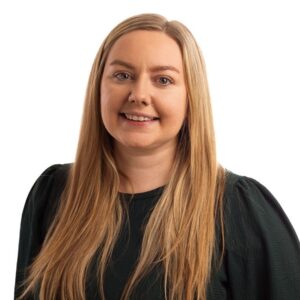 Chloe Carmichael, MSc, Clarivate, London, United Kingdom
 Elizabeth Collins, PhD, Clarivate, London, United Kingdom
 Harriet Makin, PhD, Clarivate, London, United Kingdom
Workshop 8: From interview to insights: Collecting and analyzing cognitive debriefing data informed by the U.S. Food and Drug Administration (FDA) Patient-Focused Drug Development (PFDD) guidance series
Sunday, 18 October | 1:00 pm – 4:00 pm
Workshop level: Basic
Workshop Goals:
Following the release of the U.S. FDA PFDD guidance (Food and Drug Administration, 2020, 2022, 2025), this workshop outlines how to collect, analyze and evaluate cognitive debriefing (CD) data. Operationalizing FDA’s recommendations and published industry-leading practices by training attendees on systematic methods needed to generate high-quality evidence to support COA content validity.
At the end of the workshop attendees will be able to:
- Articulate CD as a qualitative data collection method and its role in generating content validity evidence for COAs.
- Have a thorough understanding of how to apply best practices for collecting and analyzing CD data, including participant selection, interview design, and techniques to elicit meaningful feedback while addressing common methodological challenges.
- Describe how CD data should be collected, used, and explain how patient input informs regulatory expectations for fit-for-purpose COAs.
Intended Audience
Students, industry and academic researchers.
Basic to early-intermediate level: Designed for those with basic familiarity with qualitative methods who want to develop practical expertise in CD methodology and analysis.
Presentation Format
40% didactic instruction; 40% hands-on learning; 20% Q&A
Overview/Outline
Part I – Didactic instruction (~ 60 minutes)
- Introduction to what CD is and why it is a key component in robust COA development.
- Case study presentation of how CD data collection and analysis has been used in COA development.
- Best practices for collecting CD data, including training moderators to effectively conduct high quality CD interviews.
- Best analysis methods for CD data, including systematic approaches to coding and organizing CD data.
- Documentation and decision making. Using CD methodology to gather data in line with PFDD guidance.
Part II – Hands-on learning (~ 60 minutes)
- Review and analyze hypothetical CD excerpts showing different interviewing scenarios.
- Work through coding challenges and make decisions for item retention/revision.
- Group discussion on what worked well and what could be improved.
Part III – Wrap-up (~30 minutes)
- Common pitfalls and how to avoid them.
- Key takeaways.
- Group Q&A.
Learning Objectives
- Understand the purpose and process of cognitive debriefing as a qualitative method for generating content validity evidence (clarity, consistency in interpretation, ease of completion, relevance, comprehensiveness) in Clinical Outcome Assessments (COA).
- Be able to design and conduct effective cognitive debriefing interviews using best practices for participant selection, discussion guide development, and probing strategies that yield actionable feedback for COA development and refinement, while addressing common methodological challenges.
- Explore how to apply systematic coding and analysis approaches to cognitive debriefing data to allow for timely iteration of COAs while informed by the FDA PFDD guidance.
Organizers:
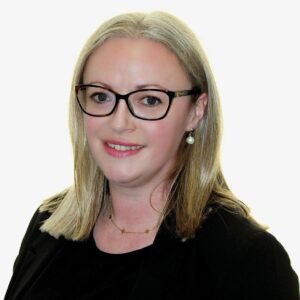 Charlotte Kosmas, PhD (CPsychol), IQVIA, London, United Kingdom
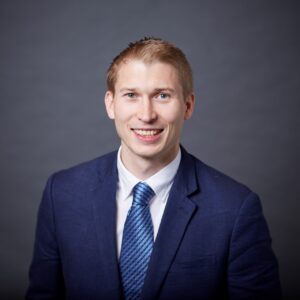 Owen Cooper, DPsych, IQVIA, London, United Kingdom
 Selene Camargo Correa, PhD, IQVIA, Barcelona, Spain
Workshop 9: The practical implementation of Digital Health Technology in trials with pediatric patients living with Rare Diseases
Sunday, 18 October | 1:00 pm – 4:00 pm
Workshop level: Basic
Workshop Goals:
Equip attendees with practical skills to define, select, validate, and implement fit‑for‑purpose Digital Health Technology (DHT) endpoints in pediatric rare disease clinical research.
Intended Audience
This workshop welcomes clinical researchers, HEOR scientists, trial operations leads, patient engagement professionals, and regulatory/HEOR stakeholders working with DHTs and Clinical Outcome Assessments (COAs) in rare diseases.
Presentation Format
Four short talks centred on a structured case study interspersed with two sessions of guided exercise(s) on endpoint selection, DHT implementation and interview guide design, each followed by a short Q&A.
Overview/Outline
Workshop Overview / Outline: (3 hours)
Moderator: Introduction and setting the scene (10 min)
Outline how workshop builds on prior ISOQOL symposiums drawing on research case study. Introduce objectives and format of the workshop.
Speaker 1: Industry perspective (15 minutes)
Selecting fit-for-purpose DHT endpoints in rare diseases involving pediatric populations: criteria, validation pathways, and lessons learned; overview of the use of DHT endpoints in clinical research as an educational case study.
Speaker 2: DHT provider perspective (20 minutes)
Technical overview of gait/mobility assessment, data pipelines, quality control, and analytical and clinical validation needed for interpretability; aligning engineering constraints and DHT-specific clinical operations with clinical needs. Set up tests of the DHT for each group.
Small group exercise 1 (40 minutes)
Task 1: Test out the provider’s DHT
Task 2: In the shoes of a clinical researcher – identify suitable trial measures/outcomes for a rare disease trial; possible strengths and weaknesses of candidate DHT and digital measures.
Q&A
Break (15 minutes)
Speaker 3: Researcher perspective (15 minutes)
Qualitative interviewing with caregivers to capture user experience with DHT and meaningful change: case study methods and interim insights.
Speaker 4: Key opinion leader and parent perspective (15 minutes)
The caregiver perspective: practical considerations for deploying DHT to children living with Duchenne Muscular Dystrophy.
Small group exercise 2 (40 minutes)
Task 1: Draft questions for an interview with children and caregivers to evaluate content validity, usability and interpretability of a DHT
Task 2: Formulate two potential caregiver-informed modifications to the design/use of a DHT measure in a rare disease population
Q&A
Summary and Closure: (10 min)
Learning Objectives
- Learn how to define, apply and implement Digital Health Technology (DHT) endpoints in rare disease pediatric trials
- Understand how qualitative interviews can be used within the context of mixed methods to capture trial participant experience and interpretability of DHT data
- Understand the value of integrating caregiver perspectives into DHT endpoint design and clinical trials usage to strengthen endpoint relevance and utility in clinical drug development programs for pediatric rare diseases populations
Organizers:
 Karen M. Bailey, PhD, Thermo Fisher Scientific / Evidera, London, United Kingdom
 Elizabeth Gibbons, MSc, Evidera (Thermo Fischer Scientific PPD Development), London, United Kingdom
 Andrew Pearlmutter, Independent Researcher, Florida, United States
 Charlotte Rasser, Sysnav, Vernon, France
Fleur Chandler, Consultancy/Duchenne UK, London, United Kingdom
Contributor:
- Laura Kelly, DPhil, Evidera, London, United Kingdom
Workshop 10: Measuring What Matters Most to Patients: Personalized Outcome Assessment Using Goal Attainment Scaling
Sunday, 18 October | 1:00 pm – 4:00 pm
Workshop level: Basic
Workshop Goals:
Personalized outcome assessment is a measurement approach that accommodates heterogeneity in patient priorities by tailoring outcomes to the individual while maintaining a standardized framework for evaluation. Goal Attainment Scaling (GAS) is one such structured, personalized outcome measure in which patient-relevant goals are translated into standardized, pre-specified scales to quantify goal achievement following an intervention. Originally developed for individualized care planning, GAS has since been adapted for use in clinical research as a structured, personalized endpoint capable of capturing what matters most to patients as well as treatment effects that may not be detected by standardized measures. Despite growing interest, GAS is often perceived as methodologically complex, raising concerns regarding rigor, variability, and bias.
This workshop introduces GAS as a patient-centered, personalized outcome measure grounded in established measurement principles when implemented using best practices. The workshop aims to clarify the methodological foundations of GAS, with emphasis on rigorous goal scale construction, psychometric adequacy, and standardized implementation procedures to minimize variability and bias. Participants will gain hands-on experience and methodological insight to support the reliable and valid application of GAS in clinical research.
Intended Audience
This workshop is intended for clinical researchers, outcomes scientists, methodologists, and trial teams who:
- Are considering or planning to use GAS in clinical research
- Seek a personalized endpoint to assess individual-level treatment response
- Want to understand how to implement GAS rigorously while minimizing measurement error, variability, and bias
- Are interested in ensuring the psychometric integrity of personalized outcome measures and their alignment with standardized assessments
Presentation Format
- 45% didactic lecture (conceptual and methodological foundations)
- 40% hands-on, guided exercises (goal scale development, attainment scoring, and summary score calculation)
- 15% administrative components (introductions, breaks, and wrap-up)
Overview/Outline
This introductory workshop presents GAS as a rigorous, personalized outcome measure for clinical research. Participants will learn the rationale for using GAS, its strengths and limitations, and how to apply GAS appropriately within research programs and clinical trials. Through guided, hands-on exercises, the workshop covers SMART goal scale development, standardized scoring, and strategies to minimize variability and bias. The workshop also addresses key study design and analytic considerations, supporting reliable, reproducible assessment of patient-centered treatment response.
Learning Objectives
- Explain the rationale for using Goal Attainment Scaling (GAS) as a personalized outcome measure in clinical research, including its core measurement principles, strengths, limitations, and appropriate use cases.
- Apply foundational GAS methods by constructing well-defined, SMART goal scales; conducting attainment ratings; and calculating GAS summary scores using standardized procedures designed to minimize variability and bias.
- Identify study contexts in which GAS is appropriate and methodologically sound, including how GAS can complement standardized outcome measures and key considerations for ensuring psychometric integrity and reproducibility.
Organizers:
 Gunes Sevinc, Ardea Outcomes, Vancouver, British Columbia, Canada
 Chere Chapman, MSc, Ardea Outcomes, Halifax, Nova Scotia, Canada
 Rebecca Metcalfe, PhD, Ardea Outcomes, Toronto, Ontario, Canada
Workshop 11: Using qualitative interviews to address key challenges in today’s drug development programs
Sunday, 18 October | 1:00 pm – 4:00 pm
Workshop level: Basic
Workshop Goals:
At the end of the workshop, participants will be able to:
- Describe at least five different ways qualitative research can be used to support the emerging complexity and problem-solving needs of drug development programs today.
- Discuss aspects of qualitative research design (such as interview content, timing, analytic approaches) that can be creatively applied to support emerging problem-solving needs in drug development programs.
Intended Audience
This workshop welcomes participants who are involved in designing, supporting, or approving qualitative research studies for drug development programs. Direct experience interviewing is not required, but familiarity with standard qualitative methods is helpful.
Presentation Format
This workshop will provide key content using three case studies, each having used qualitative interviews to meet additional research objectives beyond the traditional, exploratory design. Each case study will present a problem, describe methods used to answer it, and summarize results. Workshop attendees will participate in a small group exercise to further share experiences and generate ideas for additional viable alternative uses of qualitative interviews for application in drug development, followed by an interactive panel discussion with the presenters around study design needs and barriers to some of the alternative ideas from the group sessions.
Overview/Outline
Introduction (10 min)
Case Study 1: (20 min)
Using qualitative interviews to develop and validate anchor items for complex, impact-focused endpoints. Parkinson’s Disease
Case Study 2: (20 min)
Using qualitative interviews to identify meaningful change when “no change” (stability) is the goal. REACH Study for Facioscapulohumeral Muscular Dystrophy (FSHD)
Case Study 3: (20 min)
Using qualitative interviews to describe the onset, severity, impact, and participant acceptability of reported symptomatic adverse events. Blenrep® Studies in Multiple Myeloma
Break (15 min)
Small Group Exercise: (40 min)
Alternative ways to use qualitative interviews in drug development
Task 1: generate a short list of challenges in drug development today where qualitative interviews could be a useful solution
Task 2: Select one challenge and outline a study design for using qualitative interviews
Interactive Panel Discussion: (30 min)
Design considerations and barriers for alternative uses in the context of regulatory guidelines
Summary and Closure: (15 min)
Challenges ahead of us where qualitative research can help
Learning Objectives
- Describe at least five different ways qualitative research can be used to support the emerging complexity and problem-solving needs of drug development programs today.
- Discuss aspects of qualitative research design (such as interview content, timing, analytic approaches) that can be creatively applied to support emerging problem-solving needs in drug development programs.
Organizers:
 Mona Martin, RN MPA, Evidera Patient Centered Research, Kingston, Washington, United States
 Anna-Karin Berger, PhD, Lundbeck Pharmaceuticals, Copenhagen, Denmark
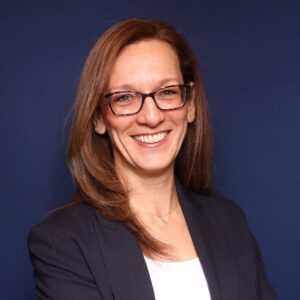 Adi Eldar-Lissai, PhD, Stratos BioSolutions Inc., Chantilly, Virgina, United States
 Farrah Pompilus, PhD, GSK, Attleboro, Massachusetts, United States
Workshop 12: From regression to regularization: Asking strong research questions when analysing single health-related quality of life outcomes
Sunday, 18 October | 1:00 pm – 4:00 pm
Workshop level: Basic
Workshop Goals:
Quantitative research designs in which a single dependent variable is analysed can be found in both confirmatory research (e.g., trials with or without baseline control variables) and in exploratory settings (e.g., correlational research at one or across two time points). In this workshop we will look at best practices for analysing and reporting, how to ask substantive questions that contribute to health-related quality of life research, and how to expand on standard approaches in situations with many potential predictors. The overarching goal is to further develop the understanding of these designs and analytical techniques and how learning about their different uses enriches our research practice.
Intended Audience
The workshop is geared towards researchers with a basic understanding of quantitative analyses, especially ordinary least squares regression. But neither experience with regularized regression models nor specific software packages is required. The workshop will be based on published papers and worked examples (including syntax in R and Stata) will be made available afterwards.
Presentation Format
60% lecture, 20% hands-on learning, 20% question and answer
Overview/Outline
We will use three different ways to look at such research designs and their analysis. Firstly, we review the application of regression analyses and mixed models and discuss best practices (e.g., registrations, risk of bias analyses, and reporting guidelines). Secondly, in the light of recent critiques of using secondary health data (e.g., doi: 10.1126/science.aed1020) and the problems of “factors associated with” papers (doi: 10.1136/bmjmed-2025-001375), we will discuss how to formulate strong research questions. A central focus will be the differentiation of descriptive, predictive, and causal approaches (doi: 10.1093/ije/dyaa021), and how these impact design and analytic choices. And thirdly, we will look at the situation when there are a substantial number of variables that are potentially predictive of a target outcome. In situations where the focus is on prediction, ‘regularization methods’ provide an appropriate and flexible alternative to typical regression models. These models (e.g., LASSO or ridge regressions) align naturally with the goals of researchers in many-predictor situations: they identify variables that are promising owing to their predictive value beyond a particular sample.
Learning Objectives
- Understand how the discussed analysis framework applies to a range of study designs, and to plan or evaluate such research with respect to accepted community standards and practices.
- Understand common critiques of the analytical approach and in turn, how to strategically identify research questions as well as data (for secondary analysis) that fully leverage the strengths of this approach.
- Gain an understanding of the key steps in regularised regression analyses as a practical extension for predictive research questions.
Organizer:
 Jan Boehnke, PhD, School of Health Sciences, University of Dundee, Dundee, United Kingdom
Oral Sessions
Individual abstracts, peer-reviewed and selected for oral presentation. Traditionally oral sessions are composed of 5 peer-reviewed abstracts clustered around one common theme. Peer reviewed abstracts and full author listing will be noted in the Abstract Supplement when available.
In-person Poster Sessions
Poster sessions feature peer-reviewed abstracts in thematic groupings. Peer reviewed abstracts and full author listing will be noted in the Abstract Supplement when available.
Virtual Poster Hall
Virtual posters will be available on-demand to both in-person and virtual attendees. Peer reviewed abstracts and full author listing will be noted in the Abstract Supplement when available.
Event Descriptions
In addition to the abstract-driven presentations, the Scientific Program Committee Chairs invite you to attend the following events at the 33rd Annual Conference. Event attendance is included in conference registration fee unless noted.
#MovethePlane Fundraiser Events
This year’s Annual Conference will feature a registration raffle and silent auction, with all proceeds going toward the Travel Scholarship Program.
Registration Raffle | May 2026 – 11 October 2026
Donate through your conference registration for the chance to win either a complimentary registration or a 25% off discounted registration for next year’s conference! Raffle tickets are $25 USD each, and a $100 USD donation will receive 5 raffle tickets.
Already registered for the conference but want to participate? Use your unique amendment link within the registration confirmation email or return to your registration form here to make a donation.
Silent Auction | 18-20 October 2026
The auction will run from the beginning of the conference through Tuesday, 20 October at noon. Place your bids on a variety of gift baskets, including one of ISOQOL-branded merch!
Would you like to support our cause by donating an item, service, or experience to the auction? Complete the Silent Auction Form or contact info@isoqol.org for more information. Your generosity will be recognized at the event and on the ISOQOL website.
Partner Forum
Sunday, 18 October | 3:00 pm – 4:00 pm
The Partner Forum is an inaugural event bringing current and prospective partners, collaborators, sponsors, and exhibitors together with ISOQOL leadership for a facilitated conversation about shared priorities and future opportunities. Anyone interested in fostering a relationship between their organization and ISOQOL should attend. While advanced sign-up is not required to attend, we ask all who may be interested in the event to RSVP here.
Welcome Reception & SIG Showcase
Sunday, 18 October | 6:00 pm – 7:30 pm
First Time Attendee – Coffee with Board of Directors
Monday, 19 October | 7:30 am – 8:00 am
First-time attendees to an ISOQOL Annual Conference are invited to meet the Board of Directors for an informal networking opportunity over coffee. This is also an opportunity to meet other first-time attendees. Admission is included with registration.
Tricks of the Trade
Monday, 19 October | 5:40 pm – 6:20 pm
Organized by the New Investigator SIG
Moderator:
Lotte van der Weijst, PhD, EORTC, Belgium
Speakers:
- Josephine M. Norquist, MS, Merck & Co., Inc., Pennsylvania, United States
- Sandra Nolte, PhD, Monash University, Victoria, Australia
- Jae-Yung Kwon, PhD RN, University of Victoria, British Columbia, Canada
Building Your Career and Leadership Path within Quality of Life research and ISOQOL
This session will provide early-career investigators with practical guidance on advancing their professional development in quality of life research and within ISOQOL. Hear from senior members and Board representatives as they share their experiences and strategies for developing a distinct research identity, growing one’s leadership profile, navigating career opportunities, and making a meaningful impact in the society.
Speed Networking Event
Monday, 19 October | 6:30 pm – 7:30 pm
Get to know your fellow ISOQOL members during the Speed Networking event at the Annual Conference! Formerly the Mentor/Mentee Reception, Speed Networking is a fun and fast-paced opportunity for early career professionals and students to mingle with experienced and senior members of the HRQL community.
The event includes one hour of in-person networking, where participants engage in a series of rapid-fire, one-on-one or two-on-one conversations. With randomly assigned pairs, participants will have the chance to meet a diverse array of ISOQOL members. After the networking session, enjoy a relaxed reception with food and refreshments, where you will have the opportunity to continue conversations and meet even more participants.
This event is free to attend, but advanced sign-up is required during conference registration, as space is limited and on a first-come, first-served basis. The deadline to sign up for this year’s Speed Networking is 1 September.
SIG Meetings
Each Special Interest Group (SIGs) has 45 minutes scheduled for a business meeting during the Annual Conference. Room assignments will be listed in the conference mobile app.
Monday, 19 October | 12:05 pm – 12:50 pm
Chinese PRO SIGCancelled- German-speaking Countries SIG
- Patient Engagement SIG
- Psychometrics SIG
Monday, 19 October | 12:55 pm – 1:40 pm
- Child Health SIG
- Digital Health and eCOA SIG
- Industry SIG
- New Investigator SIG
Tuesday, 20 October | 11:40 am – 12:25 pm
- Clinical Practice SIG
- Japan SIG
- Mixed Methods SIG
- Translation and Cultural Adaptation SIG
Tuesday, 20 October | 12:30 pm – 1:15 pm
- Australia and New Zealand SIG
- Developing Nation SIG
- Health Preference Research SIG
- Regulatory and Health Technology Assessment Engagement SIG
- Statistics SIG
AC 2029 Pacific Asia Conference: Member Input
Tuesday, 20 October | 3:00 pm – 3:35 pm
Join this open discussion session to help shape the 2029 Annual Conference! All attendees are welcome to share ideas, priorities, and recommendations on conference programming, location considerations, outreach opportunities, and the overall attendee experience. We especially encourage members from the Pacific Asia region to participate and provide their unique perspectives. Your input will play an important role in guiding the planning process for the conference.
Honoring Excellence: The Presidential Keynote
Wednesday, 21 October | 10:05 am – 10:35 am
Presented by the recipient of the 2026 ISOQOL President’s Award.
Speaker:
Galina Velikova, MD PhD FRCP, University of Leeds, United Kingdom
A presentation title and description will be added at a later date.
Awards Ceremony
Wednesday, 21 October | 10:35 am – 11:00 am
All conference attendees are invited to celebrate our Travel Scholarship recipients, Annual Conference Oral and Poster Competition award winners, Donna Lamping Emerging Leader Award recipient, Outstanding Volunteer Service Award recipient, and the winner of the Stats SIG PRO Viz Challenge.
Behind the Curtain: ISOQOL in the Know
Wednesday, 21 October | 11:00 am – 11:35 am
All conference attendees are welcome and encouraged to attend this session. Hear the latest from the ISOQOL SIG Task Force, the Journal Editorial Boards, and more. Plus, catch a sneak peek of the 2027 Annual Conference theme and plenary sessions!
ISOQOL After Hours
You asked for more on-your-own networking, and we listened! ISOQOL After Hours on Tuesday, 20 October 2026, is your evening, your way. With several concurrent events happening simultaneously, you can drop in, move around, and make it yours.
Stats SIG PRO Viz Challenge
Tuesday, 20 October | 5:20 pm – 6:50 pm
Organized by the Statistics SIG
Moderator:
Oluwagbohunmi Awosoga, PhD MBA, University of Lethbridge, Canada
Speakers:
Libby Floden, PhD MPH, Evinova, United States
Katie Kunze, PhD, Arizona State University, United States
Lisa Lix, PhD, University of Manitoba, Canada
The Statistics SIG will host the PRO Viz Challenge at the 2026 meeting. This is an exciting and unique new opportunity for conference delegates to participate in a team-based visualization competition to collaboratively tackle the challenges of analyzing and communicating analysis results for academic and patient/public audiences.
Teams of 2-3 persons will collaboratively analyze an assigned PRO dataset and give a 5-minute visual and oral presentation at a special conference session on 20 October. Judges will award prizes for the top visualizations. Dataset details will be shared shortly.
Register as a team or individual here by 1 September. Individual registrants will be matched with teammates. Contact Lisa Lix (lisa.lix@umanitoba.ca) or Katie Kunze (katielkunze@gmail.com).
Quality Connections Board
Stop by the Quality Connections Board throughout the conference to share and discover opportunities to connect. You’re invited to post announcements, networking meetups, collaboration ideas, job opportunities, and other relevant updates. This space is for you! Check back often to see what’s been added.
Dine-Arounds
Tuesday, 20 October | 6:00 pm & 7:15 pm
Visit with fellow conference attendees while experiencing Prague’s culture! Participants will be placed in small groups, and a table is reserved for all groups at unique restaurants around the city. Sign-up sheets will be available on the Quality Connections Board. Space is limited and on a first-come, first-served basis.
Two different time slots are available so you can choose what works for your schedule!
Singing Workshop
Tuesday, 20 October | 8:30 pm – 10:30 pm
Since the Montevideo ISOQOL Annual Conference in 2008, an informal sing-along has occurred during the annual meeting, led by William Lenderking (with a guitar named Rover) and Madeleine King (vocals, conducting, and choreography). It started through an impromptu conversation and sing-along at an interim board meeting (by a fountain at the hotel in Reston, VA) and has continued almost every year since. Kevin Weinfurt joined us in Copenhagen, and we have appreciated his organizational and musical skills very much.
The basic idea is that this has always been an impromptu, crowd-participation type of event. If you want to hear a song, you must sing it (with full participation by all encouraged). We have competed with live music on Bourbon Street, closed down various hotels in Europe where there is a singing culture, and been thrown out of a bar in Vancouver after we sang “Puff the Magic Dragon” thus drowning out the singer at the other end of the room who was hired to entertain the audience.
Anyone is welcome to come listen, sing, play an instrument, or whatever you are moved to do (must be legal in the host country). If you have a song that you’re especially eager to do, let Kevin Weinfurt know ahead of time (Kevin.weinfurt@duke.edu), by sending lyrics, chords (ideally), and a video clip of somebody singing the tune, and we will learn it from that. We have a songbook with songs accumulated over the years, and it is always very nice when there is a song from the host country.
COA Author Reception hosted by Mapi Research Trust*
Tuesday, 20 October | 7:00 pm – 8:30 pm
Come meet with us to discuss the challenges and solutions related to strategic and operational management of PROMs and other COAs, as well as the keys to increase the visibility of your COAs and improve the COA user experience (and satisfaction!) – all to ensure the increased use of COAs worldwide.
The reception will take place in the conference hotel’s Zodiac room on the second floor.
*This is an Ancillary Event hosted by Mapi Research Trust and is not an ISOQOL event. Pre-registration with Mapi is required. Sign up for the event here.
IQVIA Reception*
Tuesday, 20 October | 5:00 pm – 6:30 pm
Expand your professional network and connect with colleagues across the patient-centered outcomes community at IQVIA’s ISOQOL Customer Reception. This casual networking event brings together conference attendees for thought-provoking discussions on the latest developments in patient experience data, clinical outcome assessments, and quality of life research, while providing an opportunity to build relationships with peers from across the industry.
Refreshments and drinks will be served. The reception will take place at the conference hotel’s Congress Bar on the conference floor.
*This is an Ancillary Event hosted by IQVIA and is not an ISOQOL event.
Our 2026 Sponsors
GOLD SPONSORS


SILVER SPONSORS


BRONZE SPONSORS

SUPPORTERS


EXHIBITORS




Special thanks to our past sponsors.
Interested in being a sponsor? Learn more here.

The International Society for Quality of Life Research (ISOQOL) is a global community of researchers, clinicians, health care professionals, industry professionals, consultants, and patient research partners advancing health related quality of life research (HRQL).
Together, we are creating a future in which patient perspective is integral to health research, care and policy.